
K R
Days AI
HiringDay
An AI-powered hiring intelligence platform that finds, evaluates, and engages the right candidates automatically . so recruiters focus on decisions, not sourcing.
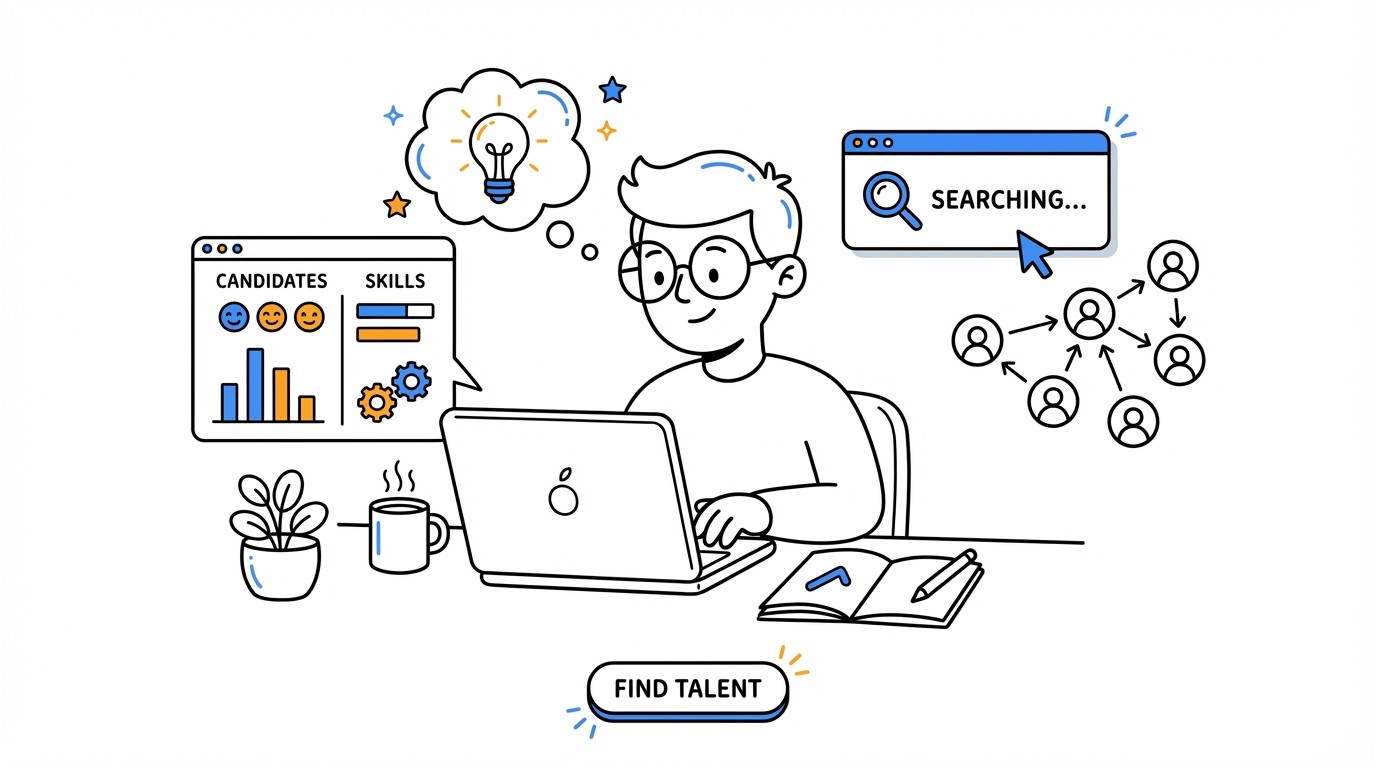
How to Reduce Time to Hire by 60%: A Guide for Tech Recruiters
Securing top-tier talent requires a balance of speed and precision. Prolonged hiring cycles often result in losing prime candidates to competitors, which disrupts project timelines and stifles innovation. Beyond these operational delays, an inefficient recruitment process directly impacts your bottom line and hinders long-term business growth. To remain competitive, organizations must prioritize recruitment process optimization by leveraging modern recruitment technology to eliminate manual bottlenecks. By integrating smarter candidate experience strategies, companies can significantly reduce time to hire without sacrificing quality. Days.AI understands that improving hiring efficiency is a strategic imperative for maintaining market leadership and ensuring your team remains agile in a fast-paced landscape.
Achieving a 60% reduction in your time to hire is an ambitious yet attainable goal for modern talent acquisition teams. This guide provides a prescriptive, technology-first blueprint for recruitment process optimization, designed to help you eliminate manual bottlenecks and accelerate your hiring efficiency. By leveraging advanced recruitment technology and AI-driven automation, you can streamline your end-to-end funnel while implementing candidate experience strategies that keep top talent engaged. Discover how to balance speed with quality-of-hire to drive measurable ROI and build a more agile, high-performing workforce.
The Role of Recruitment Technology in Hiring Efficiency
Technology reshapes how companies recruit. Recruiters face pressure to fill roles quickly. Days.AI offers solutions to reduce time to hire. It introduces efficiency into every step.
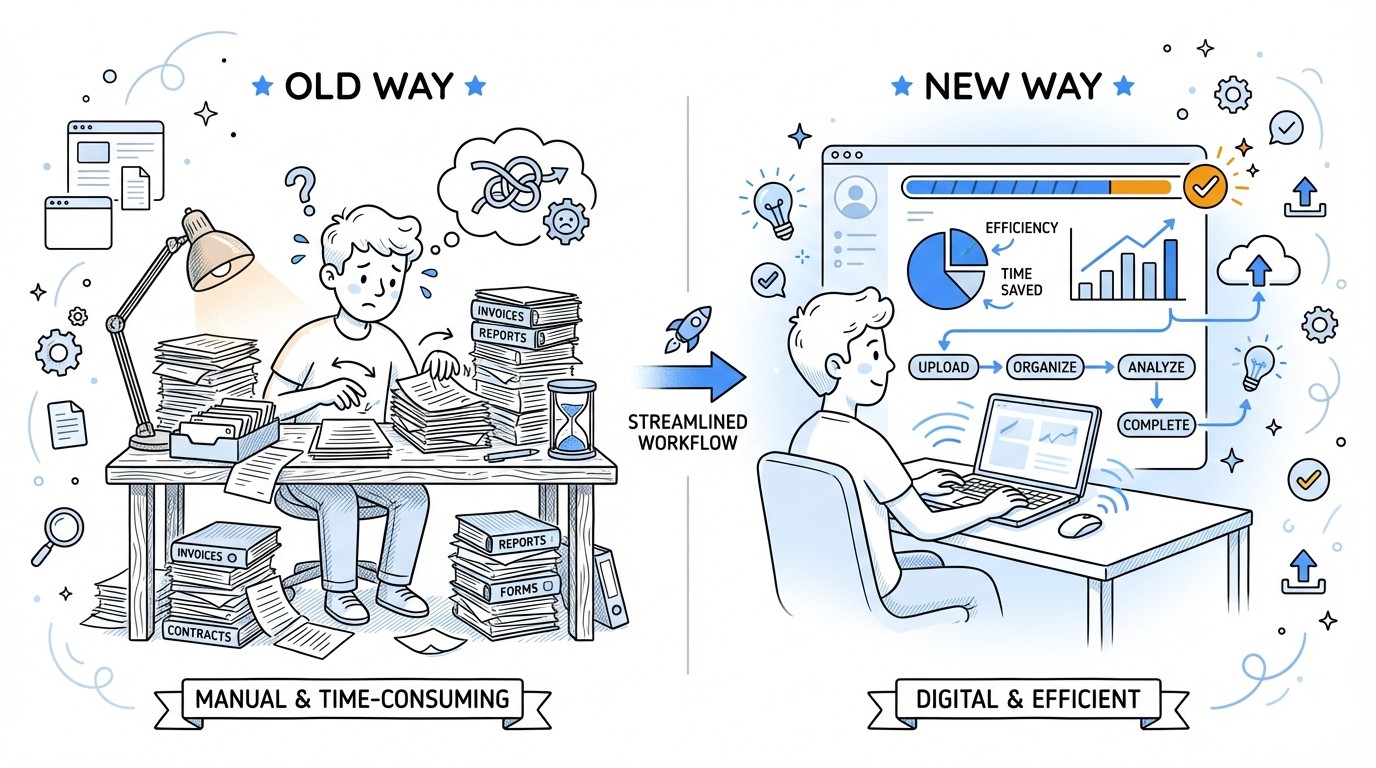
Efficiency in action: Comparing the time-intensive manual document review process with the streamlined speed of AI-powered screening.
AI-Powered Sourcing and Screening for Faster Hiring
AI-powered platforms are a cornerstone of modern recruitment process optimization, significantly accelerating early-stage workflows. By automating resume screening, these tools can process applications 75% faster than manual review while boosting initial match quality by 25%. This shift in hiring efficiency allows talent acquisition teams to focus on high-impact candidate experience strategies rather than administrative tasks. Ultimately, leveraging this recruitment technology not only helps organizations reduce time to hire but also ensures that recruiters can dedicate more time to engaging top-tier talent, leading to more accurate placements and a more streamlined funnel.
Days.AI leverages advanced algorithms for intelligent candidate sourcing, effectively automating initial screening tasks to ensure your team focuses exclusively on high-potential talent. By integrating this recruitment technology into your workflow, you can achieve comprehensive recruitment process optimization, streamlining the entire pre-interview stage. This approach significantly minimizes manual bottlenecks, which helps to reduce time to hire while simultaneously enhancing candidate experience strategies. Ultimately, these improvements drive greater hiring efficiency, allowing you to secure top-tier professionals faster without sacrificing the quality of your final selection.
Improving Hiring Efficiency Through Automation
Modern recruitment technology does far more than automate initial screening; it seamlessly manages interview scheduling and candidate communication to drive significant hiring efficiency. By streamlining these touchpoints, organizations can drastically reduce time to hire while simultaneously elevating the overall candidate experience. When applicants receive timely updates, they feel more valued and engaged throughout the funnel, proving that a focus on candidate experience strategies is a critical component of successful recruitment process optimization.
Organizations that integrate modern recruitment technology into their workflows consistently achieve a significant return on investment, often reporting a 30-50% reduction in total acquisition costs. By prioritizing recruitment process optimization, these companies achieve superior hiring efficiency, allowing them to secure top-tier talent while simultaneously enhancing candidate experience strategies. Ultimately, leveraging these digital tools enables teams to effectively reduce time to hire without compromising the quality of their new acquisitions.
Implementing specific technology strategies yields rapid results. These strategies directly impact your ability to reduce time to hire. Recruiters should focus on platforms offering comprehensive tools.
AI-driven candidate matching identifies best-fit talent from vast pools. This significantly reduces manual review hours.
Automated interview scheduling eliminates tedious back-and-forth emails. It secures interview slots quickly across time zones.
Centralized communication platforms keep candidates informed at every stage. Timely, personalized updates enhance candidate experience strategies.
Predictive analytics tools forecast future hiring needs. They help proactively build robust talent pipelines for upcoming roles.
Days.AI unifies your entire workflow into a single, intuitive platform, providing recruiters with total visibility across the pipeline. By leveraging this advanced recruitment technology, teams can successfully execute recruitment process optimization to accelerate every stage of the hiring cycle. This streamlined approach allows you to reduce time to hire while simultaneously enhancing candidate experience strategies, ensuring you meet aggressive talent acquisition goals without sacrificing hiring efficiency.
Recruitment Process Optimization: A Step-by-Step Blueprint
Recruitment processes often contain hidden inefficiencies. These bottlenecks extend the time to hire, impacting business growth. Identifying friction points is the first step.
Many organizations struggle with slow interview scheduling and delayed internal feedback, common bottlenecks that hinder overall hiring efficiency. Research indicates that prolonged communication cycles can add several weeks to a typical recruitment timeline, which negatively impacts candidate experience strategies. By prioritizing recruitment process optimization and integrating modern recruitment technology, companies can eliminate these manual delays. Streamlining these workflows is essential to reduce time to hire without sacrificing the quality of your talent pipeline.
Effective recruitment process optimization begins with a comprehensive audit of your current hiring journey, from initial requisition to final offer acceptance. By mapping every stage of the funnel, you can pinpoint specific bottlenecks that hinder hiring efficiency and identify manual tasks that unnecessarily consume recruiter time. This detailed blueprint helps you eliminate redundant approvals and streamline workflows, which is essential to reduce time to hire without sacrificing quality. Furthermore, refining these touchpoints allows you to implement better candidate experience strategies, ensuring that your process remains competitive while leveraging modern recruitment technology to accelerate your talent acquisition goals.
Streamlining Interview Coordination to Reduce Bottlenecks
Manual interview coordination is a notorious bottleneck that often stalls your recruitment process optimization efforts. Recruiters frequently lose hours navigating complex calendars to align panel availability, which directly inflates your time to hire. By integrating advanced recruitment technology like Days.AI, teams can automate these scheduling tasks to eliminate manual friction. The platform syncs seamlessly with existing calendars to propose optimal meeting times and deliver automated reminders, significantly enhancing hiring efficiency. This transition not only accelerates the workflow but also improves candidate experience strategies by ensuring a professional, responsive, and streamlined journey for every applicant.
A recent case study demonstrated a technology firm cutting interview scheduling time by 75% by leveraging advanced recruitment technology. This significant improvement in hiring efficiency highlights how automation can eliminate manual bottlenecks. Because timely feedback is a cornerstone of effective candidate experience strategies, organizations should establish clear deadlines for interviewer evaluations after each interaction. Implementing these structured workflows is a vital step in any recruitment process optimization effort, ultimately allowing teams to reduce time to hire without compromising the quality of their talent acquisitions.
To effectively reduce time to hire, aim for a 24-hour feedback turnaround following every interview. This cadence maintains momentum and prevents top talent from slipping through the cracks. By integrating standardized evaluation forms into your recruitment process optimization, you provide hiring managers with consistent, objective data. Leveraging this recruitment technology not only accelerates decision-making but also enhances overall hiring efficiency, ensuring that your candidate experience strategies remain competitive without sacrificing the quality of your final selection.
Using AI to Accelerate Recruitment Workflows
Modern recruitment technology provides a sophisticated framework for recruitment process optimization. By leveraging AI to screen resumes, automate initial outreach, and manage routine communications, teams can effectively eliminate manual bottlenecks. This shift not only bolsters overall hiring efficiency but also allows recruiters to prioritize high-value tasks like direct engagement and relationship building. Ultimately, these candidate experience strategies help organizations reduce time to hire without sacrificing the quality of talent acquisition.
Days.AI, for instance, handles repetitive administrative burdens. This directly helps reduce time to hire by focusing human expertise where it matters most. Implement these steps to transform your approach.
Removing Redundancy for Faster Hiring Outcomes
Audit your current recruitment workflow comprehensively.
Automate interview scheduling and follow-ups.
Standardize interview questions and evaluation criteria.
Implement strict feedback submission deadlines.
Use AI tools for initial screening and communication.
Regularly review performance data for continuous improvement.
Implementing these strategic steps delivers measurable results for organizations looking to improve hiring efficiency. By prioritizing recruitment process optimization, companies can eliminate manual bottlenecks and accelerate their talent acquisition timelines. For instance, one organization successfully leveraged modern recruitment technology to reduce time to hire by 50% within six months, directly lowering operational costs while maintaining quality. Integrating these actionable candidate experience strategies not only streamlines the funnel but also ensures you secure top talent before competitors do. Focusing on these refinements will transform your workflow, leading to sustainable improvements in your overall hiring outcomes.
Candidate Experience Strategies That Speed Up Offer Acceptance
Prioritizing candidate experience strategies is essential for any successful recruitment process optimization. When job seekers feel valued throughout the hiring journey, they engage more deeply, which accelerates offer acceptance and helps reduce time to hire. By leveraging modern recruitment technology to remove friction, organizations can significantly boost hiring efficiency while ensuring that speed never comes at the expense of quality.
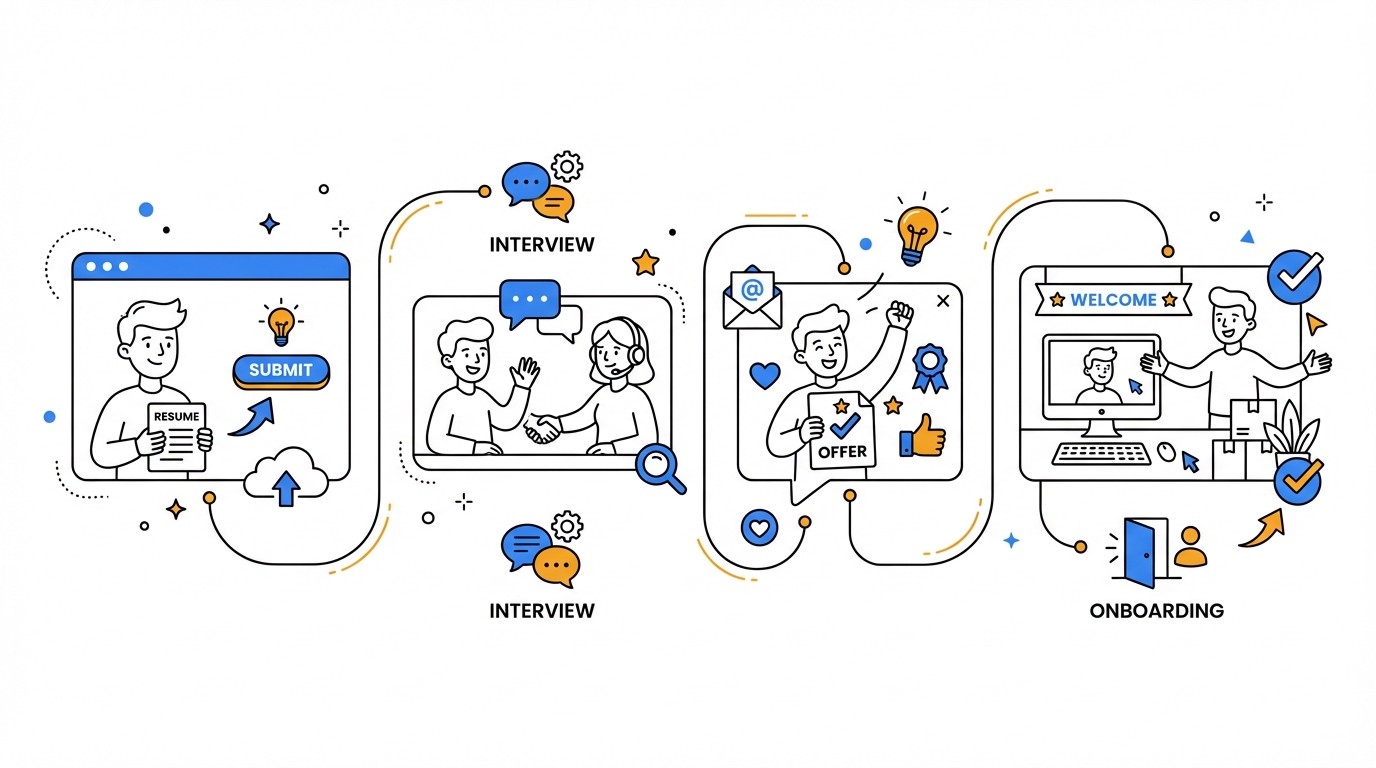
A streamlined candidate journey workflow, designed for a positive and efficient experience.
Research shows that candidates who report a positive experience are 38% more likely to accept a job offer, as this sentiment directly accelerates decision-making. By prioritizing the candidate journey, organizations can strengthen their recruitment process optimization and improve overall hiring efficiency. Integrating modern recruitment technology further supports these candidate experience strategies, allowing teams to reduce time to hire without compromising the quality of their talent acquisitions.
Best Practices for Engaging Candidates Throughout the Funnel
Implement clear communication and efficient feedback systems. These specific candidate experience strategies build trust. They also keep top talent engaged throughout the entire hiring funnel.
Personalized Communication: Send tailored emails and messages. Reference previous conversations or application details. Avoid generic templates that make candidates feel like just another number.
Efficient Feedback Systems: Provide timely updates after each interview stage. Offer specific, constructive feedback if a candidate isn't moving forward. This respects their time.
Transparency: Clearly outline the hiring timeline and next steps. Manage expectations from the outset. Candidates appreciate knowing what comes next.
Automated Scheduling: Use recruitment technology to simplify interview coordination. Days.AI can eliminate endless back-and-forth emails. This improves hiring efficiency and reduces administrative burden.
Modern recruitment technology is essential for driving hiring efficiency. By leveraging platforms like Days.AI to automate personalized outreach and feedback delivery, teams can successfully reduce time to hire without sacrificing the human element. This level of recruitment process optimization allows recruiters to focus on high-touch interactions that improve candidate experience strategies, ensuring that top talent remains engaged throughout the funnel and no qualified applicant falls through the cracks.
Slow responses often signal disinterest, leading candidates to interpret silence as a lack of organizational commitment. Prioritizing clear, consistent communication keeps talent engaged while streamlining the recruitment process. By focusing on candidate experience strategies that emphasize transparency and respect, you can accelerate decision-making and improve offer acceptance rates. Implementing these refinements as part of a broader recruitment technology strategy not only enhances the journey for applicants but also drives measurable hiring efficiency, ultimately leading to a significant reduction in time to hire.
Conclusion
Achieving a 60% reduction in time to hire is not just ambitious; it is a necessity for staying competitive in modern talent acquisition. This guide provides a comprehensive roadmap for recruitment process optimization, focusing on the strategic integration of recruitment technology to eliminate manual bottlenecks. By balancing hiring efficiency with high-impact candidate experience strategies, organizations can streamline their workflows without sacrificing the quality of their hires. These actionable steps empower recruiters to transform their talent acquisition strategy, ensuring they secure top-tier talent faster while fostering long-term retention.
Days.AI provides the intelligent automation necessary for successful recruitment process optimization, ensuring your hiring strategies are both effective and measurable. By leveraging advanced recruitment technology to streamline complex tasks—from initial sourcing to automated scheduling—our platform eliminates manual bottlenecks that slow down your pipeline. This shift empowers your team to prioritize high-quality candidate experience strategies over administrative burdens, directly improving hiring efficiency. Ultimately, you will build more agile workflows that reduce time to hire, allowing you to secure top talent faster and consistently outperform your competition.
Ready to put these strategies into action and slash your time to hire by 60%? Days.AI is the intelligent recruitment technology designed to help you master recruitment process optimization and achieve these results faster. By leveraging our platform, you can enhance your candidate experience strategies while simultaneously boosting overall hiring efficiency. Explore Days.AI and transform your entire talent acquisition workflow today.
Frequently Asked Questions
How can companies effectively reduce time to hire by 60%?
To reduce time to hire by 60%, organizations must prioritize recruitment process optimization by integrating AI-driven recruitment technology. By automating manual tasks like resume screening and interview scheduling, teams can eliminate bottlenecks that slow down the funnel. This strategic shift allows recruiters to focus on high-impact candidate experience strategies, ensuring top-tier talent is secured quickly without compromising the quality of the final hire.
What is the role of recruitment technology in improving hiring efficiency?
Modern recruitment technology acts as a catalyst for hiring efficiency by automating repetitive administrative tasks. Tools like AI-powered sourcing and automated scheduling platforms streamline the entire talent acquisition workflow. By removing manual friction, these technologies allow recruiters to manage larger candidate pools effectively, ensuring that the recruitment process remains agile and responsive in a competitive job market.
Why is recruitment process optimization essential for modern recruiters?
Recruitment process optimization is essential because prolonged hiring cycles often lead to losing prime candidates to competitors. By refining workflows and adopting advanced tools, companies can achieve better hiring efficiency, which directly impacts the bottom line and long-term business growth. Optimizing these processes ensures that organizations remain competitive while maintaining a high-performing workforce through faster, more accurate talent acquisition.
How do candidate experience strategies help reduce time to hire?
Effective candidate experience strategies, such as timely communication and automated updates, keep top talent engaged throughout the hiring funnel. When candidates feel valued and informed, they are less likely to drop out of the process, which helps reduce time to hire. By prioritizing the applicant's journey alongside recruitment process optimization, companies can build a positive employer brand that attracts and retains high-quality professionals.
Can AI-powered tools improve the quality of hire while increasing speed?
Yes, AI-powered tools significantly improve hiring efficiency by using advanced algorithms for intelligent candidate matching. These systems identify best-fit talent from vast pools much faster than manual review, often boosting initial match quality by 25%. By leveraging this recruitment technology, recruiters can maintain high standards of quality while simultaneously accelerating the pace of their hiring funnel.
What are the benefits of automating interview scheduling?
Automating interview scheduling eliminates the tedious back-and-forth emails that often stall the recruitment process. This form of recruitment technology allows candidates to select slots that work for them, ensuring faster coordination across different time zones. By removing these manual bottlenecks, teams can significantly improve their hiring efficiency and provide a more professional, seamless experience for every applicant.
When should organizations consider upgrading their recruitment technology?
Organizations should consider upgrading their recruitment technology when they notice prolonged hiring cycles, high administrative overhead, or a loss of top-tier talent to competitors. Implementing these solutions is a strategic imperative for any team looking to reduce time to hire and improve overall hiring efficiency. Proactive adoption of these tools ensures that your recruitment process optimization efforts remain effective in a fast-paced, modern business landscape.


Hop on a call with us to see how our services can accelerate your growth.