
K R
Days AI
HiringDay
An AI-powered hiring intelligence platform that finds, evaluates, and engages the right candidates automatically . so recruiters focus on decisions, not sourcing.
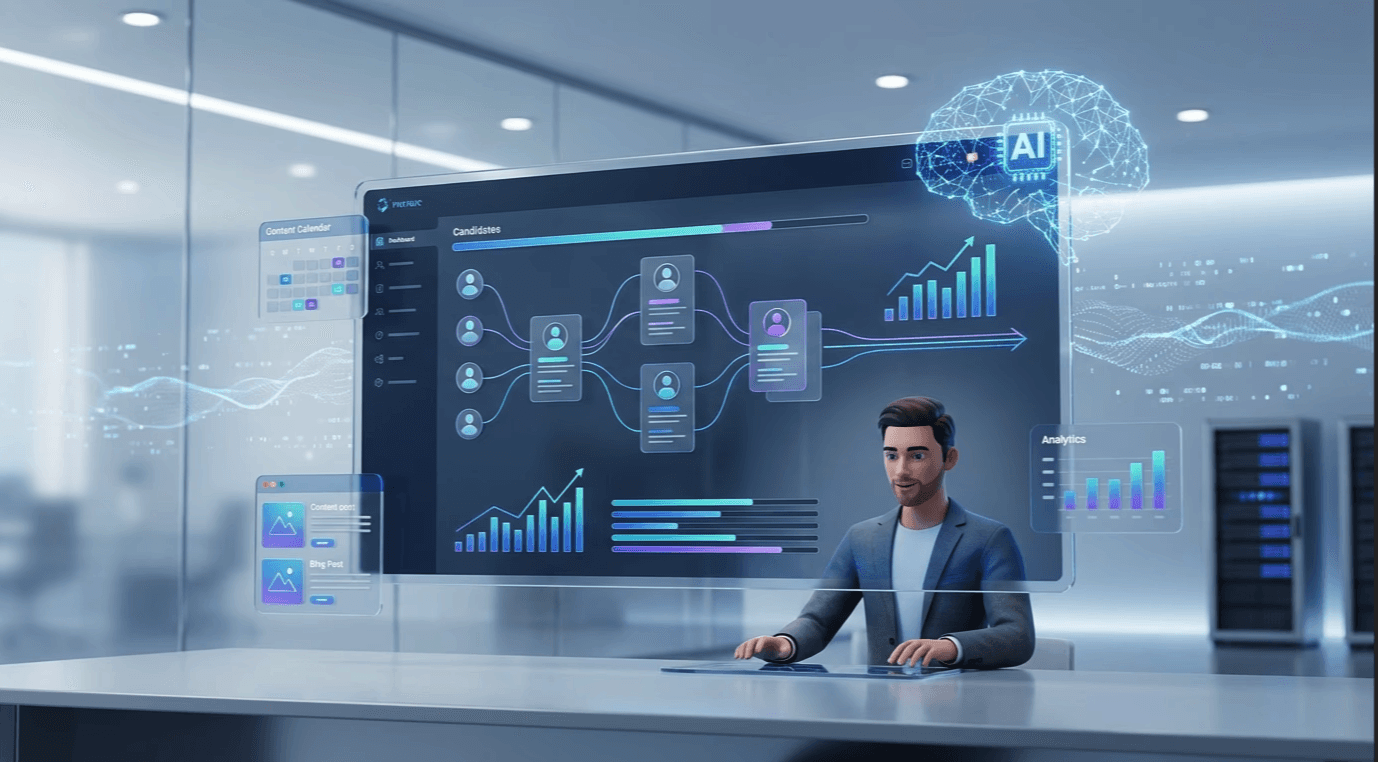
Mastering High-Volume & Scalable Hiring with AI in 2026
Your team is drowning in applications, making scalable hiring feel impossible. Finding the right candidate when you’re buried under thousands of resumes is the reality of high-volume recruitment. Manual screening is slow, biased, and burning out your best people, letting top talent slip away.
What if you could turn this challenge into a strategic advantage?
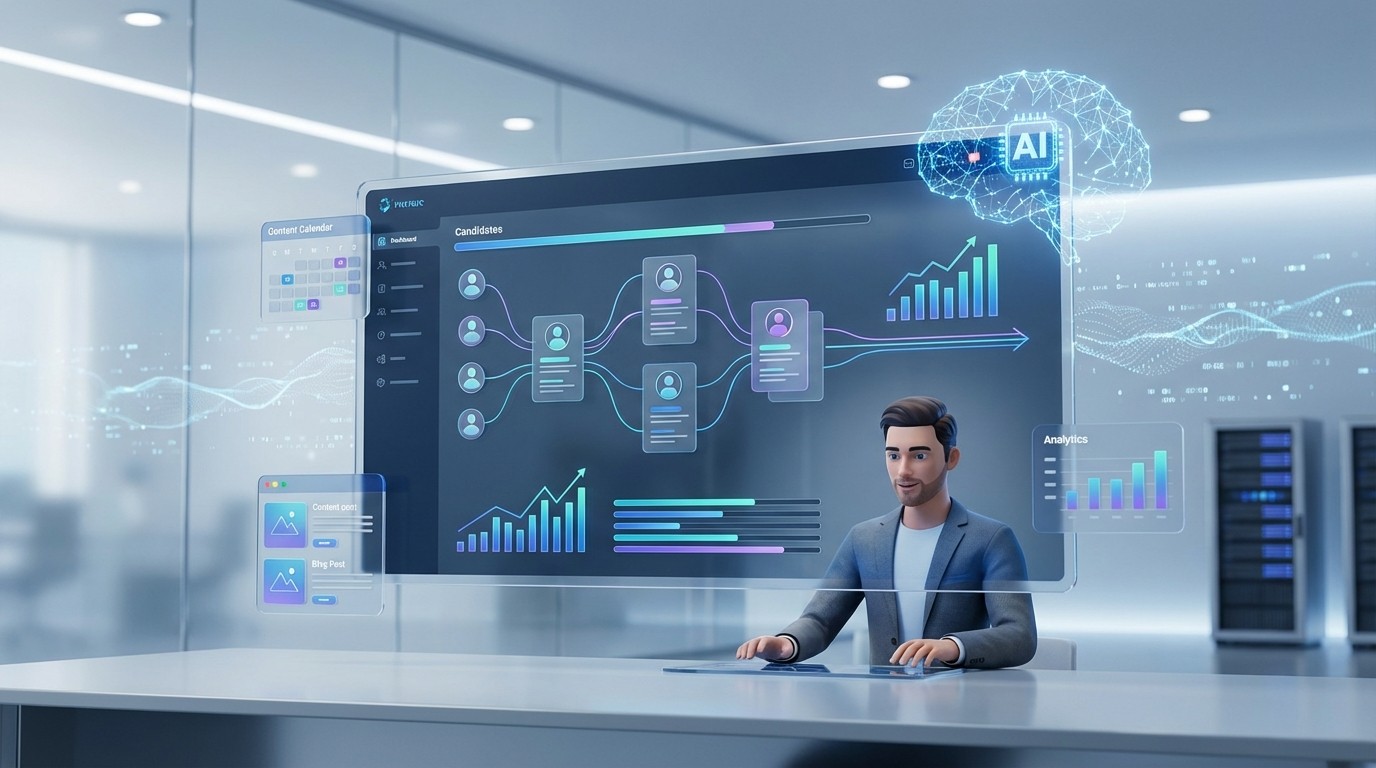
Artificial intelligence offers a powerful solution. It’s not just another tool; AI in hiring is a core part of a modern talent acquisition AI strategy. Recruitment automation systems automate the tedious parts of the hiring cycle. They screen vast numbers of applicants in minutes, identifying qualified candidates with precision. This article breaks down how to build a truly scalable hiring process. We'll show you how AI in hiring transforms high-volume recruitment from a reactive chore into a proactive, data-driven function.
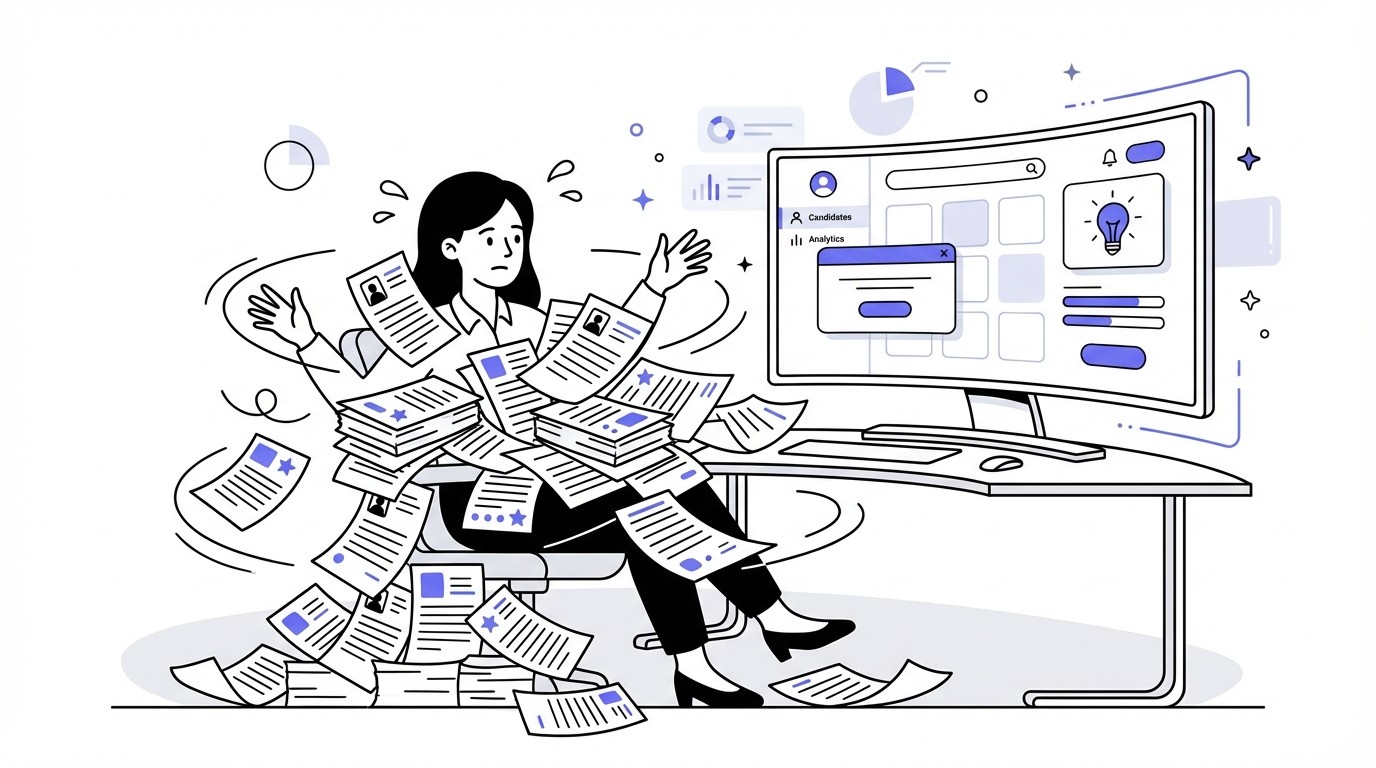
When the inbox isn't digital: A visual metaphor for the overwhelming volume of applications recruiters face.
Why Traditional High-Volume Recruitment Fails
Manual hiring methods weren't designed for the modern job market, especially not for high-volume recruitment. They are linear processes that break down under the pressure. When you get thousands of applications for one role, your talent team becomes a bottleneck, hindering any attempt at scalable hiring. The process slows, and quality suffers.
The Time & Cost Drain of Manual Screening in High-Volume Recruitment
The biggest failure of traditional hiring, particularly for scalable hiring, is the time it consumes. Recruiters spend an average of 23 hours screening resumes for just one successful hire. This manual effort doesn't add strategic value. It’s a repetitive task that stops your team from focusing on what matters: engaging top candidates.
Imagine a company gets 500 applications for a popular role. If a recruiter spends just two minutes on each one, that's over 16 hours of work. And that’s before a single interview is scheduled. This inefficiency directly impacts your cost-per-hire and slows company growth.
Inconsistency & Unconscious Bias in Manual Talent Acquisition
Humans are not consistent resume-screening machines. One recruiter might prioritize experience, while another looks for specific skills. This inconsistency means qualified candidates are often overlooked by chance. The result is a process that is neither fair nor effective.
Unconscious bias also skews results. A study from the National Bureau of Economic Research found that identical resumes with "white-sounding" names received 50% more callbacks than those with "Black-sounding" names. Manual screening makes it nearly impossible to eliminate these biases. This undermines diversity goals and shrinks your talent pool.
The limitations of manual processes become clear when compared to a modern approach.
MetricManual ProcessScalable Process (AI-Assisted)Time to Screen15-25 hours per hireMinutesCandidate ExperienceSlow; weeks with no responseFast; instant feedbackBias RiskHigh; depends on recruiterLow; based on objective skillsData QualityPoor; relies on spreadsheetsRich; centralized analytics
Traditional methods simply can't support a true scalable hiring strategy. They are too slow, too expensive, and too prone to human error. To handle high-volume recruitment effectively, you need a system built for scale, leveraging recruitment automation and AI in hiring.
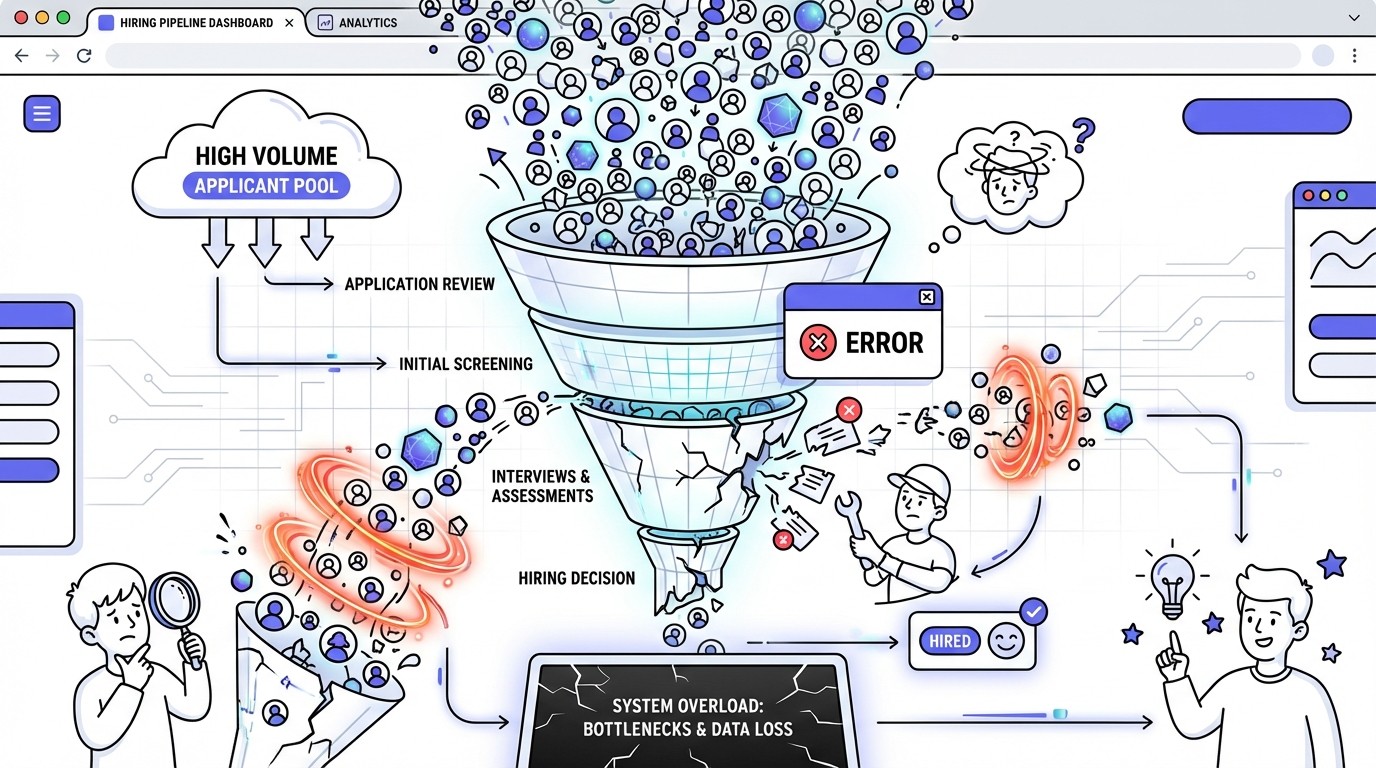
The Breaking Point: How High Volume Overwhelms Traditional Hiring Funnels
The AI Imperative: Transforming Scalable Hiring with AI in Hiring
The solution isn't to hire more recruiters. It's to fundamentally change the process. Adopting AI in hiring and recruitment automation is no longer a luxury. It’s a strategic requirement for any company serious about growth and achieving truly scalable hiring.
Consider a fast-growing retail company that needed to hire 100 new store associates – a classic high-volume recruitment challenge. Manually, their team was drowning. This led to a 45-day time-to-fill and a high candidate drop-off rate. After implementing an AI-powered system, they automated the initial screening of 5,000+ applications. They identified a shortlist of qualified candidates in under an hour and cut their time-to-fill to just 18 days. This is the power of moving from a manual function to an automated engine for scalable hiring.
From Manual Screening to Intelligent Recruitment Automation
This is where the real change happens for scalable hiring. Recruitment automation tools, powered by AI in hiring, can analyze thousands of applications in minutes, not days. They screen resumes for specific, role-based criteria like skills and experience. This frees your team from the most time-consuming part of high-volume recruitment. Research from Ideal shows AI can reduce screening time by up to 75%.
How Talent Acquisition AI Ensures Objective & Bias-Free Hiring
A well-designed talent acquisition AI operates on data. It identifies candidate qualifications without considering names, schools, or other sources of bias. This creates a standardized and fair process for every applicant, crucial for scalable hiring. The system flags candidates based on how well they match the job’s core requirements. This ensures the best people make it to the next stage, powered by intelligent AI in hiring.
Empowering Talent Teams with AI-Driven Recruitment Automation
When you automate the top of the funnel, you empower your talent team to manage high-volume recruitment more effectively. They can stop being resume reviewers and become strategic partners. This newfound time allows them to focus on human-centric tasks:
Building relationships with top-tier candidates.
Conducting deeper, more insightful interviews.
Improving the overall candidate experience.
Working with hiring managers to define future talent needs.
This shift is the core of a truly scalable hiring model. It uses technology to handle volume and frees up people to handle critical relationships.
Core AI in Hiring Strategies for High-Volume Recruitment and Scalable Hiring Success
Adopting AI in hiring is more than just buying software; it requires a strategic approach to recruitment automation. At Days.AI, we implement our Talent Velocity Framework. It focuses on three core pillars to create a hiring model that is both efficient and effective. This approach ensures your scalable hiring model moves beyond simple automation to generate true strategic value for talent acquisition AI.
Pillar 1: Proactive Sourcing & Intelligent Matching with Talent Acquisition AI
The best candidates often don't apply. A powerful talent acquisition AI goes beyond screening inbound resumes, crucial for scalable hiring. It actively searches public talent pools, professional networks, and internal databases. It finds passive candidates who match your ideal profile. The system can identify specific skills and experience with high accuracy. This builds a robust talent pipeline before you even post a job, essential for managing high-volume recruitment effectively.
Pillar 2: Automated Candidate Engagement with Recruitment Automation
Poor communication kills your hiring process. A major challenge in high-volume recruitment is keeping every applicant informed, especially for scalable hiring. Recruitment automation solves this by managing communications at scale. AI in hiring tools can instantly:
Confirm receipt of an application.
Answer frequently asked questions with a chatbot.
Schedule interviews with qualified candidates.
Send polite rejection notices to those who aren't a fit.
This level of engagement protects your employer brand. A CareerBuilder study found that 81% of job seekers say continuous communication would vastly improve their experience.
Pillar 3: Predictive Analytics for Quality Hires with Talent Acquisition AI
The most advanced AI in hiring strategies use data to predict success. An AI model can analyze the performance data of your current employees. It identifies the skills and attributes that correlate with top performers in specific roles. The system then uses this data to score new applicants, highlighting those with the highest potential. This data-driven insight helps hiring managers make objective decisions, supporting truly scalable hiring.
AI StrategyPrimary FunctionKey Benefit for Scalable Hiring**Intelligent Sourcing (Talent Acquisition AI)**Finds passive and active candidates across multiple platforms.Increases the quality and size of the initial talent pool.**Automated Engagement (Recruitment Automation)**Manages communication, scheduling, and status updates.Improves candidate experience and protects employer brand.**Predictive Analytics (AI in Hiring)**Analyzes data from past hires to identify success factors.Leads to better hiring decisions and higher employee retention.
Beyond Efficiency: Enhancing Candidate & Recruiter Experience with Scalable Hiring and AI in Hiring
Automation is only half the story. A truly scalable hiring model, powered by recruitment automation, also creates a better experience for everyone. When you use AI in hiring, you're not just speeding up tasks. You're giving candidates and your talent team the focus they deserve.
Creating a Better Candidate Journey with Recruitment Automation
Candidates often apply into a black hole, a common issue in high-volume recruitment. They wait weeks for a response, if they get one at all. Recruitment automation changes this frustrating experience. A positive journey starts with clear, consistent communication. Candidates get:
Immediate confirmation their application was received.
Access to 24/7 chatbots for answers to common questions.
Simple, automated interview scheduling that works for them.
This isn't just a courtesy. A poor process repels talent. SHRM research shows 60% of candidates abandon applications that are too long or complex. AI removes that friction, keeping top talent engaged from the start.
Empowering Recruiters Through AI in Hiring
Your talent team benefits just as much. By removing the administrative burden of high-volume recruitment through recruitment automation, AI in hiring gives them back their most valuable asset: time. They can shift from tedious screening to high-impact activities, enabling truly scalable hiring. This leads to higher job satisfaction and less burnout.
The table below shows the clear shift in experience.
RoleBefore AI in Hiring (Manual Process)After AI in Hiring (Enhanced Experience)CandidateLong waits, poor communication, complex applications.Instant feedback, clear next steps, simple interactions.RecruiterBuried in resumes, administrative overload, reactive work.Strategic candidate engagement, data-driven decisions, proactive talent acquisition AI.
This dual improvement is key. A great candidate experience strengthens your employer brand. An empowered recruiter is more effective at engaging and closing top talent. It's a cycle that fuels sustainable growth.
The future of high-volume recruitment isn't about replacing people—it’s about empowering them through AI in hiring. At HiringDay, our platform is built on this principle: use intelligent recruitment automation to handle the volume so your team can build the relationships that matter, driving truly scalable hiring and optimizing your talent acquisition AI strategy.
Ready to transform your high-volume recruitment from a bottleneck into a strategic advantage with AI in hiring? See how HiringDay can help you achieve better, faster, and truly scalable hiring with advanced recruitment automation and talent acquisition AI. [Request a Demo]
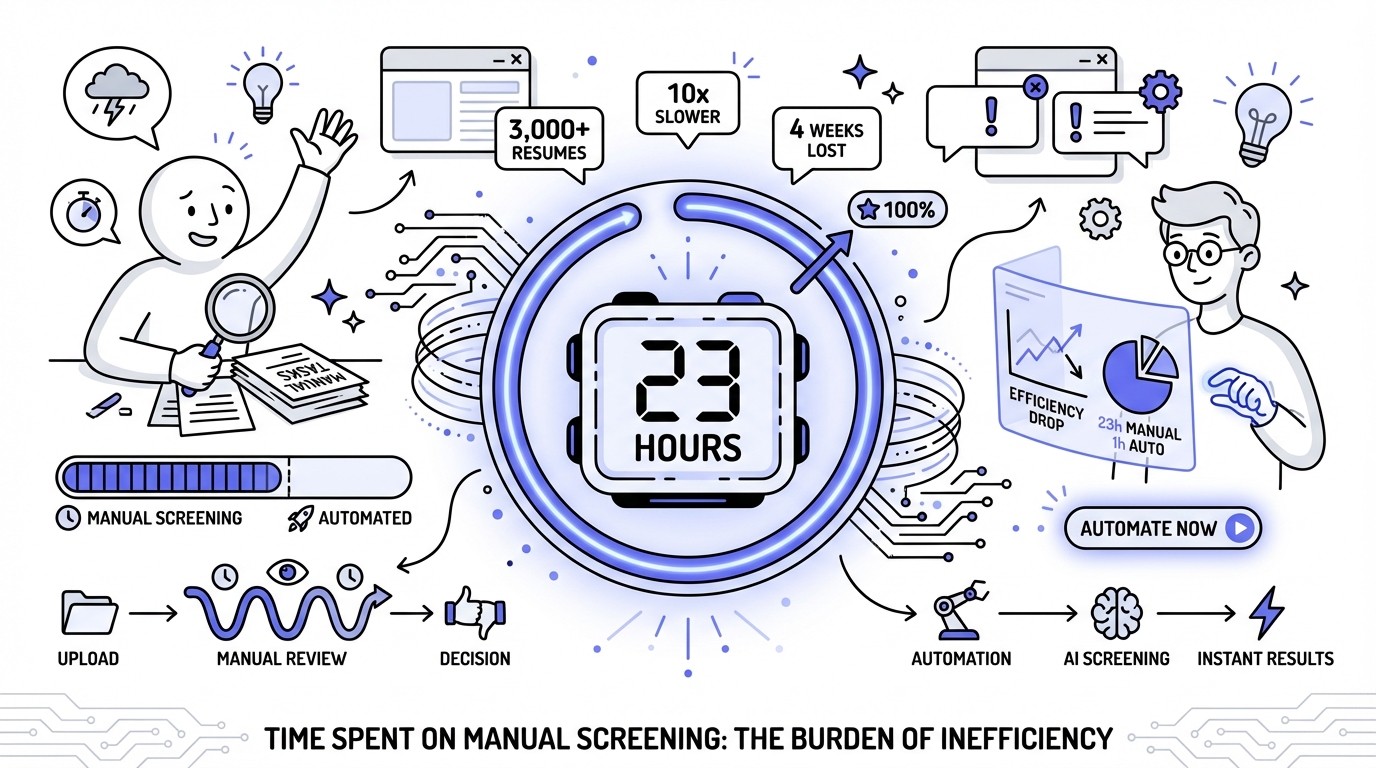
Unpacking the hidden costs: This infographic visually presents the significant time investment in manual screening processes, highlighting the inefficiencies and potential for automation.
Visuals
Frequently Asked Questions

Hop on a call with us to see how our services can accelerate your growth.