AI-Powered Intent Scoring: Setup Guide & Top Tools for B2B Growth

K R
Days AI
SalesDay
An AI sales acceleration system that identifies high-intent prospects, automates outreach, and optimizes follow-ups to increase conversions.

AI-Powered Intent Scoring: Setup Guide & Top Tools for B2B Growth
A B2B buyer completes nearly 70% of their journey before contacting a sales rep. Your best prospects are researching solutions right now. They're forming opinions without you. If you only track form fills, your sales team is flying blind. They chase leads that aren't ready and miss the ones who are. This intelligence gap is precisely where Intent-Based Lead Scoring creates a decisive advantage for modern sales teams. Without a robust Intent-Based Lead Scoring strategy, businesses risk missing out on their most valuable prospects.
But identifying these crucial signals is only half the battle; you first need to generate them. This guide provides a complete plan for both. We'll walk through practical steps to implement an Intent-Based Lead Scoring model fueled by strategic content. You'll also discover top AI Lead Scoring Automation tools and learn how to transform robust Buyer Intent Data into an efficient sales pipeline, all driven by cutting-edge B2B Sales AI. This guide will show you how to master AI Lead Scoring Automation for unparalleled growth.
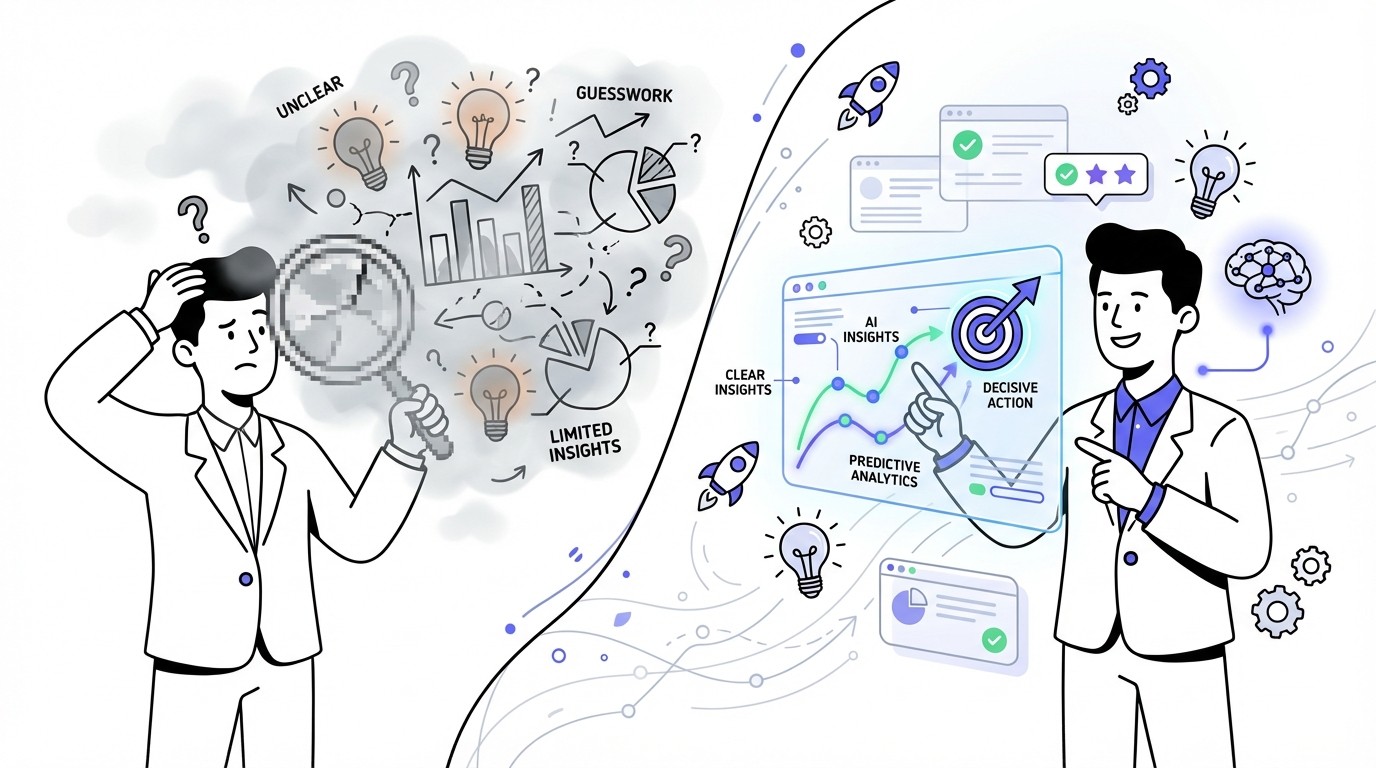
From Foggy Insights to Crystal-Clear Decisions: Bridging the Intelligence Gap with AI-Powered Lead Scoring.
The Indispensable Role of AI in Modern Lead Scoring Automation
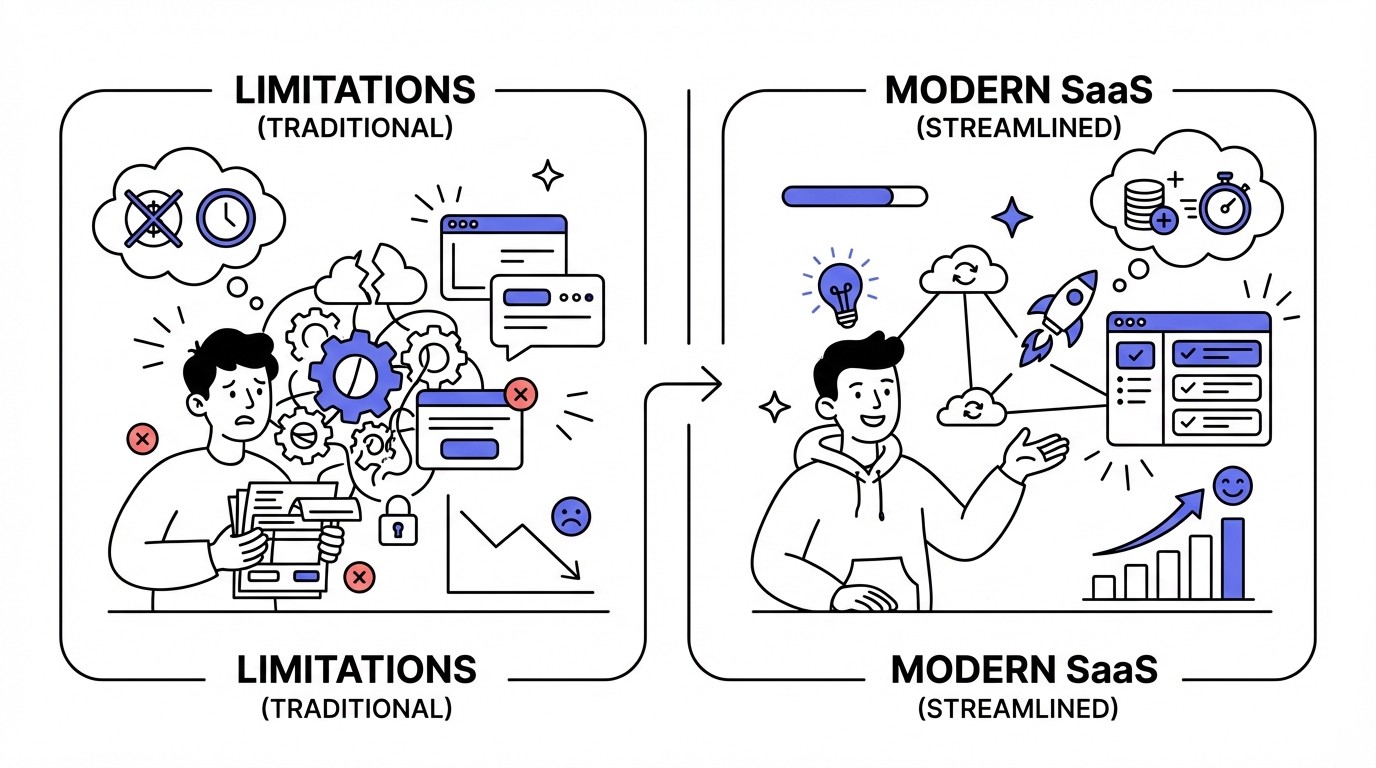
Traditional lead scoring models are broken. They rely on static, manually assigned points for actions like email opens. This approach can't keep up with the complex B2B buyer journey. Your team ends up with "qualified" leads who have no real intent to purchase.
AI makes the essential difference. AI Lead Scoring Automation moves beyond simple point systems. It leverages advanced algorithms to analyze vast datasets, finding the subtle patterns that signal genuine buying intent. This capability is the foundation of effective Predictive Lead Scoring, helping sales teams understand not just what a prospect does, but why. Implementing robust AI Lead Scoring Automation ensures your efforts are always focused on high-potential leads. This shift to AI Lead Scoring Automation is non-negotiable for competitive B2B sales.
From Static Rules to Predictive Lead Scoring Insights
An AI-powered system doesn't need a marketer to tell it a pricing page visit is important. It learns this by correlating behaviors with closed-won deals over time. This Predictive Lead Scoring capability separates modern systems from outdated ones, offering dynamic, real-time insights for effective Intent-Based Lead Scoring.
AI Lead Scoring Automation models process thousands of signals in real-time. These can include:
Third-Party Data: Spikes in research activity on specific topics across the web, a key component of Buyer Intent Data. This rich Buyer Intent Data helps paint a complete picture.
On-Site Behavior: The sequence and velocity of content consumption, indicating engagement levels.
Firmographics: How a prospect's company profile matches your ideal customer, refined by B2B Sales AI.
For example, Forrester research found that companies using B2B Sales AI for predictive scoring generate 2.5 times more marketing-qualified leads. The AI connects a prospect reading a case study with their company hiring for a relevant role. A human could never connect these signals at scale, highlighting the power of B2B Sales AI in optimizing the sales process and enhancing Intent-Based Lead Scoring. This intelligent application of B2B Sales AI drives efficiency.
The Clear Advantage of AI-Powered Intent Scoring
The difference between old and new methods is stark. AI transforms lead scoring from a best-guess effort into a data-driven science, particularly when implementing Intent-Based Lead Scoring. This modern approach ensures your sales team is always one step ahead.
FeatureTraditional Lead ScoringAI-Powered Intent ScoringData SourcesLimited (website, emails)Expansive (web-wide Buyer Intent Data)Scoring LogicManual, rule-basedDynamic, self-learning, enabling Predictive Lead ScoringAdaptabilityStatic; requires manual updatesAdjusts scores in real-time with AI Lead Scoring AutomationPrimary FocusEngagement (what they do)Intent (why they're doing it), central to Intent-Based Lead Scoring
AI Lead Scoring Automation gives your sales team a prioritized list of accounts that are actively looking for a solution. It allows them to stop chasing cold leads and focus on conversations that drive revenue, a true benefit of Intent-Based Lead Scoring. This intelligent approach is a game-changer for B2B Sales AI and the future of AI Lead Scoring Automation.
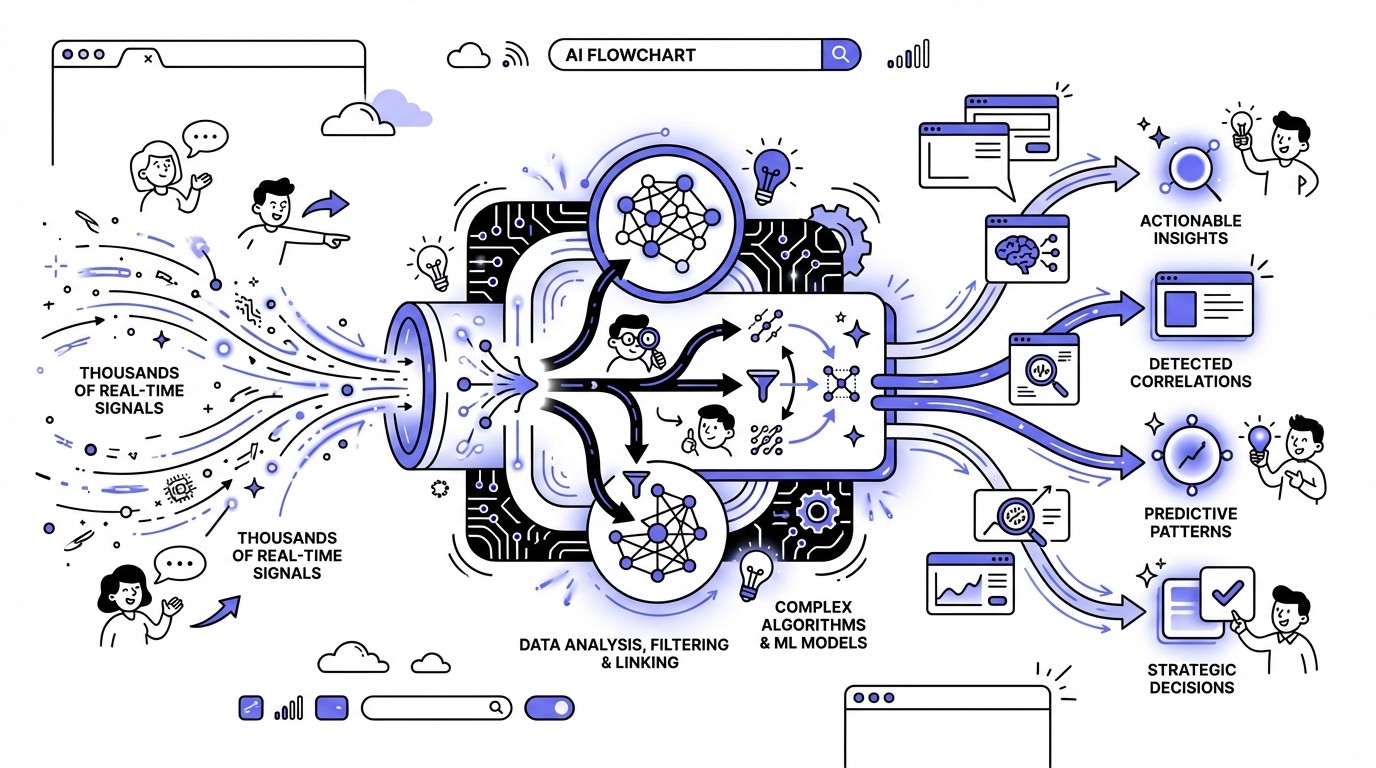
Visualizing AI's real-time prowess: A dynamic diagram illustrating how artificial intelligence ingests, processes, and correlates thousands of signals in milliseconds to extract critical insights and drive intelligent action.
The 3-C Framework: Our Proven Model for Intent-Based Lead Scoring
Building an effective system is a strategic process. A structured plan ensures your sales team gets reliable, actionable signals from the start. Here’s how to implement your own Intent-Based Lead Scoring model for maximum impact and sustained revenue growth.
1. Clarify Your Ideal Customer Profile (ICP)
Your AI needs a clear target. Before tracking signals, you must define exactly who you're selling to. Document the firmographic and technographic details of your best-fit customers. This foundation ensures the system focuses on the right accounts, not just the loudest ones, enhancing the accuracy of your Intent-Based Lead Scoring. This foundational step is often overlooked but vital for any successful AI Lead Scoring Automation implementation.
Company size and industry
Annual revenue or employee count
Technology stack they currently use
Geographic location
2. Capture Buyer Intent Data Signals
Next, identify the behaviors that signal purchase intent. A strong model combines first-party and third-party data. First-party data comes from your own digital properties. Third-party Buyer Intent Data captures web-wide activity. Combining them provides a complete view of the buyer’s journey, essential for robust Predictive Lead Scoring and effective Intent-Based Lead Scoring. This comprehensive Buyer Intent Data empowers your sales team.
Your high-value content is what generates these critical first-party signals. Key examples include:
Pillar Pages & In-depth Guides: Signal broad research interest in a core topic.
Case Study or ROI Calculator Downloads: Indicate a prospect is moving into solution evaluation, providing valuable Buyer Intent Data.
Pricing Page Visits & Demo Requests: Represent late-stage, high-intent buying behavior, directly feeding into your AI Lead Scoring Automation efforts.
3. Calibrate Your AI Model & Activate Workflows
With your data sources defined, it's time to activate the system. First, connect your CRM, marketing automation platform, and intent data provider. This integration is the core of AI Lead Scoring Automation, allowing the model to see every touchpoint and process comprehensive Buyer Intent Data.
Next, train the AI. A Predictive Lead Scoring system analyzes your historical sales data. It learns from past wins to identify the most impactful signals, continuously refining your Intent-Based Lead Scoring approach. This iterative process ensures your Intent-Based Lead Scoring model remains highly accurate. Finally, establish thresholds that trigger specific sales plays. When an account’s score crosses a certain point, an automated workflow should create a task in your CRM, powered by AI Lead Scoring Automation. This final step turns raw data into timely sales conversations, making B2B Sales AI truly actionable for your sales team, driven by sophisticated AI Lead Scoring Automation.
Key Features & Best Tools for AI-Driven Intent Scoring
A solid framework needs the right technology. The best platforms for Intent-Based Lead Scoring don't just collect data; they interpret it. They turn scattered signals into a clear roadmap for your sales team, leveraging the full potential of B2B Sales AI for superior Intent-Based Lead Scoring outcomes. The strategic use of B2B Sales AI is now a competitive necessity.
What to Look For in an AI Lead Scoring Platform
Choosing a platform requires focusing on core capabilities. The technology must translate raw data into actionable sales intelligence, driving effective Predictive Lead Scoring.
Look for these essential features:
Unified Data Integration: Connects first-party website behavior with third-party
Buyer Intent Datafrom sources across the web, crucial for comprehensive Intent-Based Lead Scoring. Access to diverse Buyer Intent Data is paramount.Predictive AI Core: A self-learning model that identifies which signals actually correlate with closed deals, ensuring accurate Predictive Lead Scoring.
Real-Time Scoring: Scores update instantly as new intent signals appear, giving sales a current view of an account's interest, a hallmark of advanced AI Lead Scoring Automation.
CRM & MAP Activation: Native integrations that push high-intent alerts directly into your existing sales and marketing workflows, maximizing the impact of B2B Sales AI.
Leading Platforms for AI Lead Scoring Automation
Several tools excel at this, each with a different focus. Choosing the right one depends on your existing tech stack and sales process. According to Forrester, companies that master B2B Sales AI can see a 50% increase in their pipeline-to-close velocity.
Here’s how some of the top platforms compare in enabling AI Lead Scoring Automation:
PlatformBest ForKey AI Capability6senseEnterprise teams needing an all-in-one ABM platform.In-market predictions and anonymous visitor identification, central to Predictive Lead Scoring.DemandbaseCompanies with a mature ABM strategy looking for deep account intelligence.Account-level journey mapping and intent-based advertising, powered by Buyer Intent Data.BomboraTeams wanting to add third-party intent data into existing systems.Topic-based intent "surge" data from a B2B website cooperative, enriching Intent-Based Lead Scoring with external market signals.
The power of these tools comes from their underlying AI. The most advanced systems distinguish genuine buying signals from random online activity. This focus on Predictive Lead Scoring is what separates a good tool from a great one, especially in the realm of B2B Sales AI.
Setting up an Intent-Based Lead Scoring model is a fundamental strategic shift. It gives your team the clarity to engage at the perfect moment. But even the most advanced AI can't score signals that don't exist. The entire system depends on a steady stream of high-intent prospects interacting with your content.
Without it, your pipeline runs dry. The most effective way to fuel your Predictive Lead Scoring engine is by consistently publishing content that answers your ICP's most urgent questions. This creates the very Buyer Intent Data signals you need to track, ensuring your AI Lead Scoring Automation efforts yield maximum results for your Intent-Based Lead Scoring strategy.
Ready to generate the high-intent signals this guide taught you how to score? MarketDay's AI creates the SEO-optimized content that fuels your sales pipeline. See how to fill your funnel with qualified prospects with advanced AI Lead Scoring Automation and robust Intent-Based Lead Scoring strategies. Unlock the full potential of AI Lead Scoring Automation today!
Visuals
Frequently Asked Questions
What is Intent-Based Lead Scoring and why is it crucial for B2B sales?
Intent-Based Lead Scoring identifies prospects actively researching solutions, often before direct contact. It leverages signals to determine genuine buying intent, giving modern sales teams a decisive advantage. This strategy ensures businesses focus on their most valuable prospects, avoiding the intelligence gap of traditional methods and driving unparalleled growth.
How does AI Lead Scoring Automation improve upon traditional lead scoring models?
AI Lead Scoring Automation moves beyond static, rule-based systems by using advanced algorithms to analyze vast datasets, finding subtle patterns that signal genuine buying intent. Unlike traditional methods, AI learns dynamically from correlations between behaviors and closed deals, providing real-time, Predictive Lead Scoring insights. This shift ensures focus on genuine intent, not just simple engagement.
What kind of Buyer Intent Data does AI analyze for effective lead scoring?
AI systems analyze diverse Buyer Intent Data to gauge prospect interest. This includes third-party data like spikes in research activity across the web, on-site behavior such as the sequence and velocity of content consumption, and firmographics matching ideal customer profiles. This comprehensive analysis, refined by B2B Sales AI, paints a complete picture of buying intent.
How does B2B Sales AI enhance the accuracy of Intent-Based Lead Scoring?
B2B Sales AI significantly enhances Intent-Based Lead Scoring accuracy by processing thousands of signals in real-time. It dynamically learns and correlates behaviors with closed deals, identifying subtle patterns that indicate genuine buying intent. This allows for precise Predictive Lead Scoring, ensuring sales teams focus on the most promising prospects who are actively looking for a solution.
What are the key advantages of using AI-Powered Intent Scoring for B2B sales?
AI-Powered Intent Scoring transforms lead qualification into a data-driven science, moving beyond best-guess efforts. It provides sales teams with a prioritized list of accounts actively looking for a solution, enabling them to stop chasing cold leads and focus on conversations that drive revenue. This intelligent approach is a game-changer for B2B sales and growth.
Can AI Lead Scoring Automation help sales teams prioritize their efforts more effectively?
Yes, AI Lead Scoring Automation significantly enhances sales team prioritization. By analyzing vast amounts of Buyer Intent Data in real-time, AI provides a dynamically updated, prioritized list of leads who are most likely to convert. This allows sales reps to stop chasing cold leads and focus their energy on prospects genuinely ready to purchase, driving revenue efficiently.
What distinguishes AI-Powered Intent Scoring from traditional lead scoring's primary focus?
AI-Powered Intent Scoring primarily focuses on understanding why a prospect is engaging, indicating genuine buying intent. In contrast, traditional lead scoring typically focuses on what a prospect does, measuring engagement with static rules. AI's dynamic, self-learning capabilities, central to Predictive Lead Scoring, provide deeper, more actionable insights into a prospect's readiness.


Hop on a call with us to see how our services can accelerate your growth.