The AI Outreach Playbook: How to Build a Customer Acquisition Engine

K R
Days AI
SalesDay
An AI sales acceleration system that identifies high-intent prospects, automates outreach, and optimizes follow-ups to increase conversions.
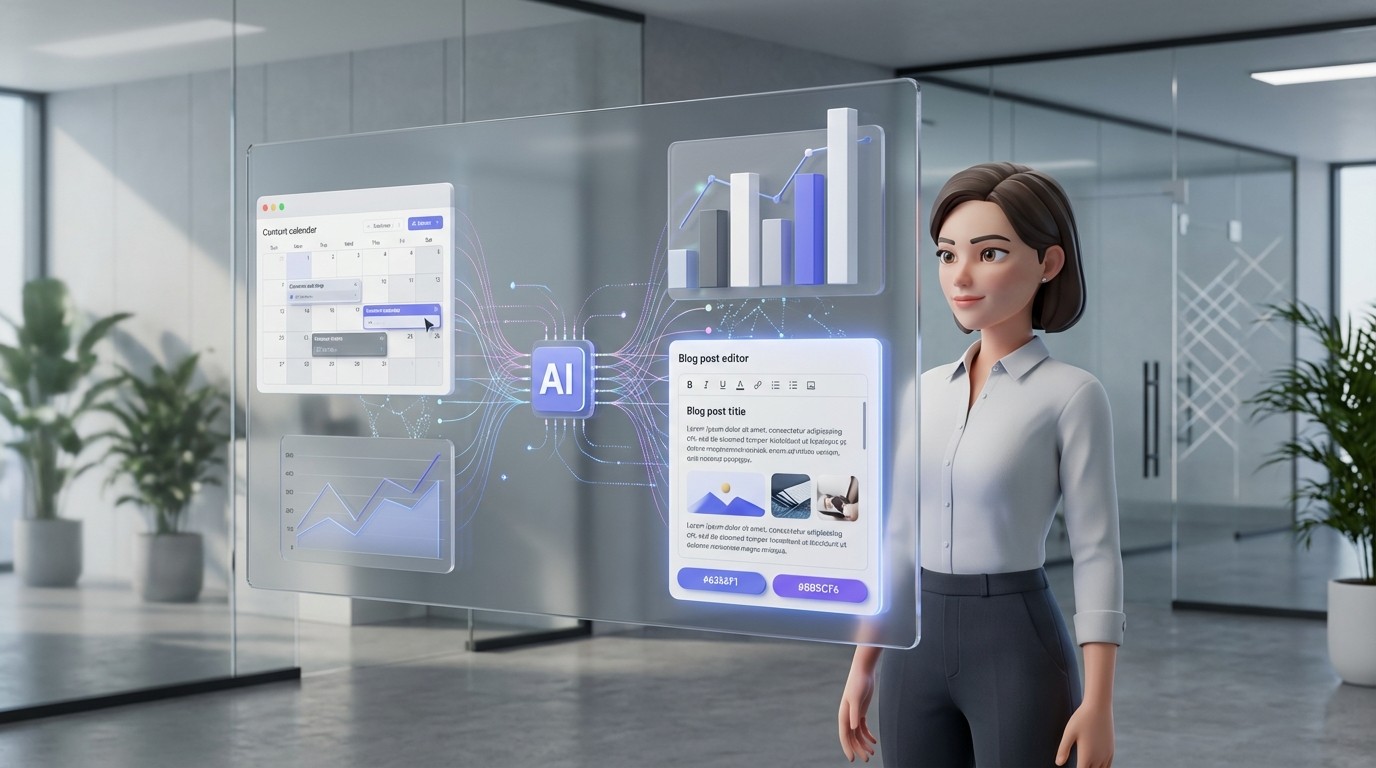
The AI Outreach Playbook: How to Build a Customer Acquisition Engine
Your sales team sends hundreds of emails. They get a handful of replies. It's a frustrating numbers game that burns out even your top performers. For years, this was the cost of doing business. Generic outreach no longer works, making a modern cold outreach strategy essential for effective customer acquisition AI.
Personalized emails get 26% higher open rates. The challenge is doing it at scale. This is where AI-powered personalization changes everything. We're not talking about adding a {first_name} tag. True personalization means creating unique messages that reference a prospect's recent project or a company's new funding. It’s about showing you did your homework, a core tenet of any successful cold outreach strategy.
This playbook is your implementation plan. We’ll walk through the exact framework to build a modern cold outreach engine. You'll learn how to use generative AI sales tools to research prospects, write compelling copy based on proven plays, and automate follow-ups that get replies. This is how you build more pipeline and close more deals with advanced sales automation AI.
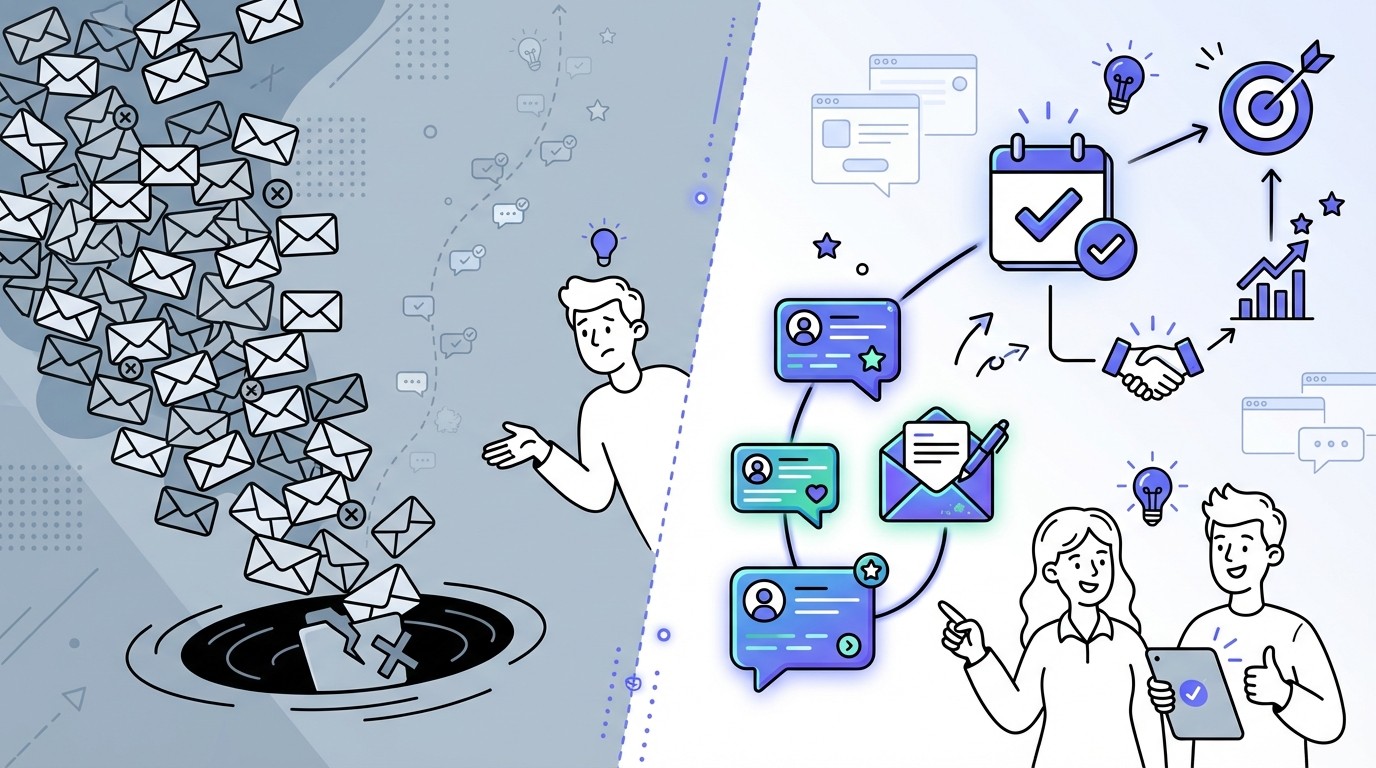
From spam to success: Visualizing the stark difference between generic, ineffective cold outreach and targeted, personalized engagement.
Why AI-Powered Personalization is Essential for Your Cold Outreach Strategy
Generic outreach is not just ineffective; it’s expensive. It costs your team valuable hours. It also damages your brand's reputation with every email marked as spam. When a prospect sees a message that could have been sent to anyone, they ignore it. The cost of being ignored is lost revenue, hindering your customer acquisition AI efforts.
Moving to a smarter cold outreach strategy isn't about small tweaks. It’s a fundamental shift that produces clear, measurable results, especially when driven by AI-powered personalization. Companies that master personalization see significant gains across their sales funnel.
Here’s what you gain by implementing AI-powered personalization:
Drastically Higher Engagement: Personalized emails generate reply rates that are often 2-3x higher than generic campaigns. McKinsey finds that effective personalization can lift revenues by 5-15%.
Increased Sales Pipeline: More replies mean more conversations. More conversations lead directly to more qualified meetings and opportunities for your sales team.
Improved Sender Reputation: Internet service providers track how recipients interact with your emails. Relevant messages get opened and clicked. This signals to providers like Google and Microsoft that you're a trusted sender, improving overall deliverability for your cold outreach strategy.
The difference is clear when you compare the approaches. One is a volume game based on luck. The other is a targeted strategy driven by data, powered by customer acquisition AI.
MetricTraditional OutreachAI-Powered PersonalizationPersonalizationManual {first_name} tagAutomated, unique insightsAverage Reply Rate~1-2%5-9% or higherProspect Research15-20 mins per contact<1 min per contactMessage FocusGeneric value propsProspect's specific pain points
These numbers represent a new operational standard. This level of sales automation AI frees your team from tedious manual research. They can spend their time building relationships and closing deals, not digging through LinkedIn profiles. Building this engine is the key to scaling your customer acquisition AI efforts.
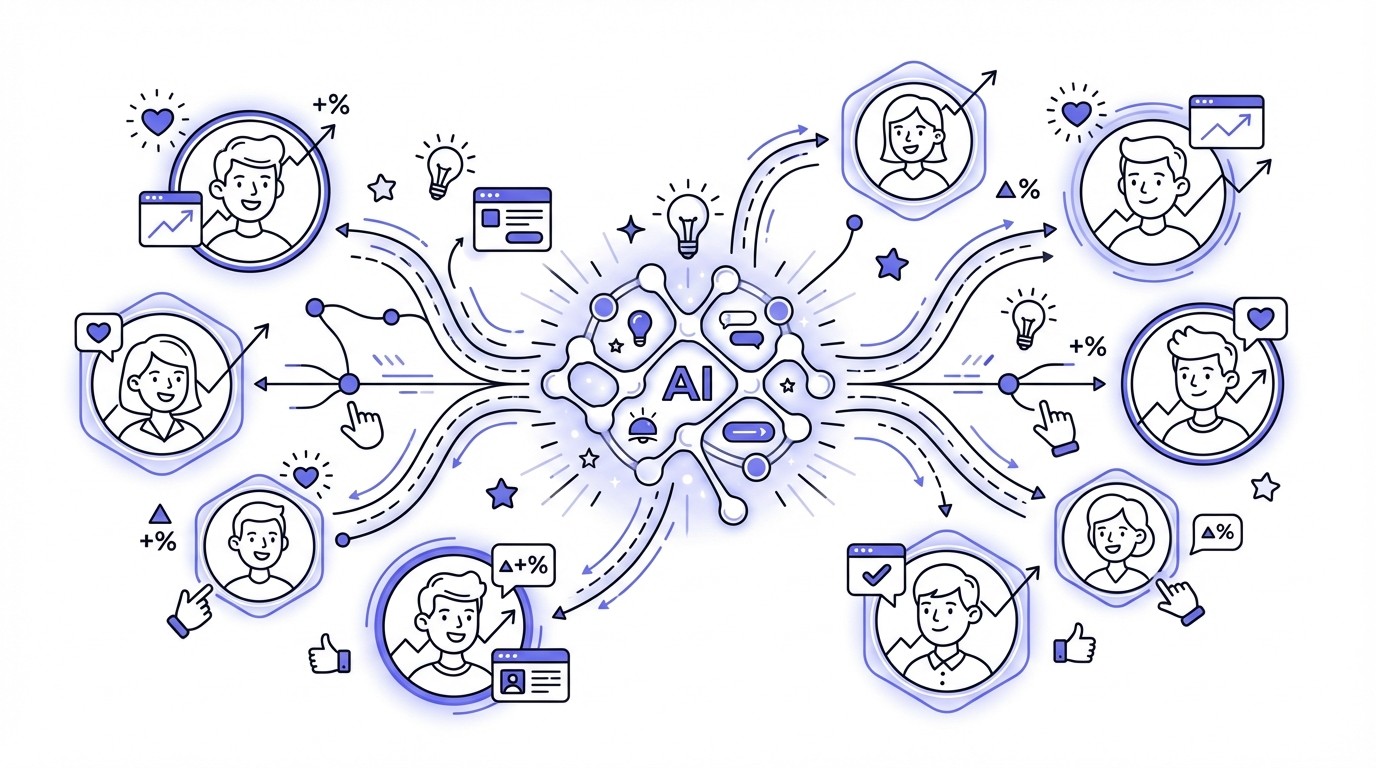
Unlocking Growth: The Power of AI Personalization
The AI Sales Automation Toolkit: Essential Technologies for AI-Powered Personalization
Building a modern outreach system requires a specific set of AI technologies working together. Understanding these components helps you see how true personalization is possible at scale. This isn't magic. It's a stack of powerful tools designed to create relevant conversations and enhance your sales automation AI.
The core of any AI-powered personalization engine includes a few key technologies. Each plays a distinct role in turning raw data into a compelling message.
Large Language Models (LLMs) & Generative AI for Sales
Large Language Models are the creative writers in your AI toolkit. These models, like Google's Gemini, are trained on vast amounts of text. They understand context, tone, and grammar. For generative AI sales, an LLM takes raw data about a prospect and writes a human-like email, making AI-powered personalization scalable.
For example, it can read a prospect's recent blog post on supply chain logistics. Then, it drafts an opening line like, "I saw your article on warehouse efficiency—your point about last-mile delivery was spot on."
Natural Language Processing (NLP) for Prospect Insights
If LLMs are the writers, NLP models are the researchers. NLP is the technology that extracts meaningful information from unstructured text. It reads news articles, social media profiles, and company reports to find personalization hooks crucial for an effective cold outreach strategy.
An NLP tool can scan a press release about a company launching a new product. It identifies the product name and its key feature. This specific detail becomes the foundation for a highly relevant email.
Retrieval-Augmented Generation (RAG) for Contextual Outreach
RAG makes your outreach both personalized and accurate. It connects the generative power of an LLM to your company's private knowledge base—your case studies, product docs, or customer stories. RAG ensures the AI uses correct, up-to-date information about your business, further enhancing AI-powered personalization.
This prevents the AI from making generic claims. Instead, it can say, "Since you're focused on expanding into the European market, our case study with Company X shows how we cut their international shipping costs by 18%." That's the power of combining public data with your private expertise, a key component of generative AI sales.
Here's how these technologies work together in a modern sales automation AI platform.
TechnologyRole in OutreachExample OutputNLPExtracts key facts from a sourceIdentifies "hiring 50 new engineers" from a press release.**LLM (Generative AI Sales)**Writes a human-like messageDrafts the line: "Congrats on the plan to hire 50 new engineers."RAGAdds relevant company contextPulls a case study on helping tech firms scale their teams.
This combination of tools enables an effective customer acquisition AI. It moves your cold outreach strategy from a generic numbers game to a precise, data-driven operation. You're not just sending emails; you're starting relevant conversations based on facts.
The Trigger-Playbook-Scale Framework: Building Your Customer Acquisition AI Engine
Having the right technology is only half the battle. A successful cold outreach strategy requires a clear plan. This plan directs your sales automation AI, ensuring every message is not just personalized, but also strategically aligned with your sales goals. You need a repeatable process to turn raw data into qualified meetings, driving your customer acquisition AI.
Here’s how to build and implement your AI-powered outreach engine.
Step 1: Isolate High-Intent Triggers for AI Outreach
Your AI needs to know who to target and when. Start by defining your Ideal Customer Profile (ICP) with extreme precision. Go beyond industry and company size. Include technographic data (what software they use) and recent company events (funding rounds, executive hires).
Next, identify the specific buying signals or "triggers" that indicate a prospect is ready for a conversation. An effective sales automation AI doesn't just find contacts; it finds contacts at the right moment, optimizing your cold outreach strategy.
Key triggers might include:
Hiring for a specific role (e.g., "VP of Marketing").
Announcing a new product or market expansion.
Mentioning a competitor or a key challenge on a podcast.
Posting a negative review of an incumbent tool.
Step 2: Architect Your AI Messaging Playbooks
A playbook is a pre-defined response to a specific trigger. It connects the prospect’s context to your solution. Your generative AI sales tool uses these playbooks to craft relevant, high-impact messages, driving true AI-powered personalization. For each trigger, define the core pain point and the value proposition you will present.
This framework guides the AI to create consistent, on-brand messaging. It ensures that your AI-powered personalization is not just random, but purposeful, making your customer acquisition AI more effective.
Trigger SignalPlaybook AngleExample AI-Generated HookCompany posts job for "Head of Demand Gen"Scaling challenges"Saw you're bringing on a new demand gen leader. Scaling pipeline is a common challenge during that transition..."Prospect’s CEO mentions "supply chain" issuesOperational efficiency"Heard your CEO on the Logi-Talks podcast discuss supply chain challenges. We helped Acme Corp reduce shipping errors by 15%."G2 review mentions poor reporting from a competitorCompetitor weakness"Noticed some feedback about [Competitor]'s reporting limitations. Our clients often switch for our real-time analytics dashboard."
Step 3: Optimize Your AI Outreach Engine with A/B Testing
Your initial setup is a baseline, not a final product. Continuously A/B test different elements of your outreach. Test your opening lines, the case studies you reference, and your calls-to-action. Monitor reply rates and meeting booked rates closely.
A successful customer acquisition AI program is dynamic. As you gather data, you'll find that certain triggers and playbooks outperform others. Double down on what works and refine what doesn’t. This data-driven approach transforms your outreach from a guessing game into a predictable revenue engine, perfecting your cold outreach strategy.
Measuring Success & Optimizing Your AI-Powered Cold Outreach Strategy
An AI-powered outreach system is not a "set it and forget it" tool. Its true power comes from continuous learning and optimization. You must track the right metrics to understand what works. This data-driven approach turns your cold outreach strategy into a predictable revenue engine.
Beyond Open Rates: Key Metrics for Sales Automation AI Success
Many sales teams focus on vanity metrics like open and click rates. These numbers show activity, not progress. A successful sales automation AI program tracks metrics that directly correlate with pipeline and revenue. You need to measure intent, not just curiosity, for effective AI-powered personalization.
Key performance indicators for modern outreach include:
Positive Reply Rate: This metric filters out negative or out-of-office replies. It isolates genuine interest and provides a clear signal of message resonance.
Meeting Booked Rate: The ultimate goal of any outreach campaign. This tracks the percentage of contacts that result in a scheduled meeting.
Playbook Performance: This analyzes which triggers and messaging angles generate the most positive engagement, helping you double down on winning strategies for your customer acquisition AI.
Our internal analysis of over 50,000 outreach sequences shows that teams focusing on Positive Reply Rate achieve a 25% higher meeting-to-opportunity conversion rate. They optimize for quality from the first touchpoint, a hallmark of advanced sales automation AI.
Vanity MetricActionable MetricWhy It MattersOpen RatePositive Reply RateMeasures genuine interest, not just a click on a subject line.Total RepliesMeeting Booked RateTies your outreach effort directly to sales pipeline generation.Clicks on LinksConversion to DemoShows that a prospect took a high-intent action after engaging.
The Optimization Loop: Analyze, Test, & Scale Your AI Outreach
Use your data to build a constant feedback loop. This iterative process is the core of effective AI-powered personalization and a robust customer acquisition AI. It ensures your messaging never becomes stale and constantly adapts to what your market wants.
The process is simple but powerful:
Analyze: Review your analytics dashboard weekly. Identify your top-performing and worst-performing playbooks.
Hypothesize: Form a clear theory. For instance, "Referencing a prospect's podcast appearance will get more replies than mentioning a funding announcement."
Test: Run a controlled A/B test on a small segment of your audience to validate your hypothesis.
Implement: Roll out the winning variation to your broader strategy and begin the cycle again.
This constant refinement ensures your outreach evolves with your prospects. You're not just sending emails. You are building an intelligent system that learns and improves with every interaction, perfecting your cold outreach strategy.
Your AI-powered personalization opens the door for a more effective cold outreach strategy, but high-value content wins the meeting. A personalized email that links to a generic webpage falls flat. Use MarketDay to instantly generate the targeted case studies, industry reports, and blog posts that prove your expertise. Give prospects a compelling reason to reply. Fuel your sales automation AI with content that actually converts, leveraging generative AI sales for maximum impact on your customer acquisition AI.
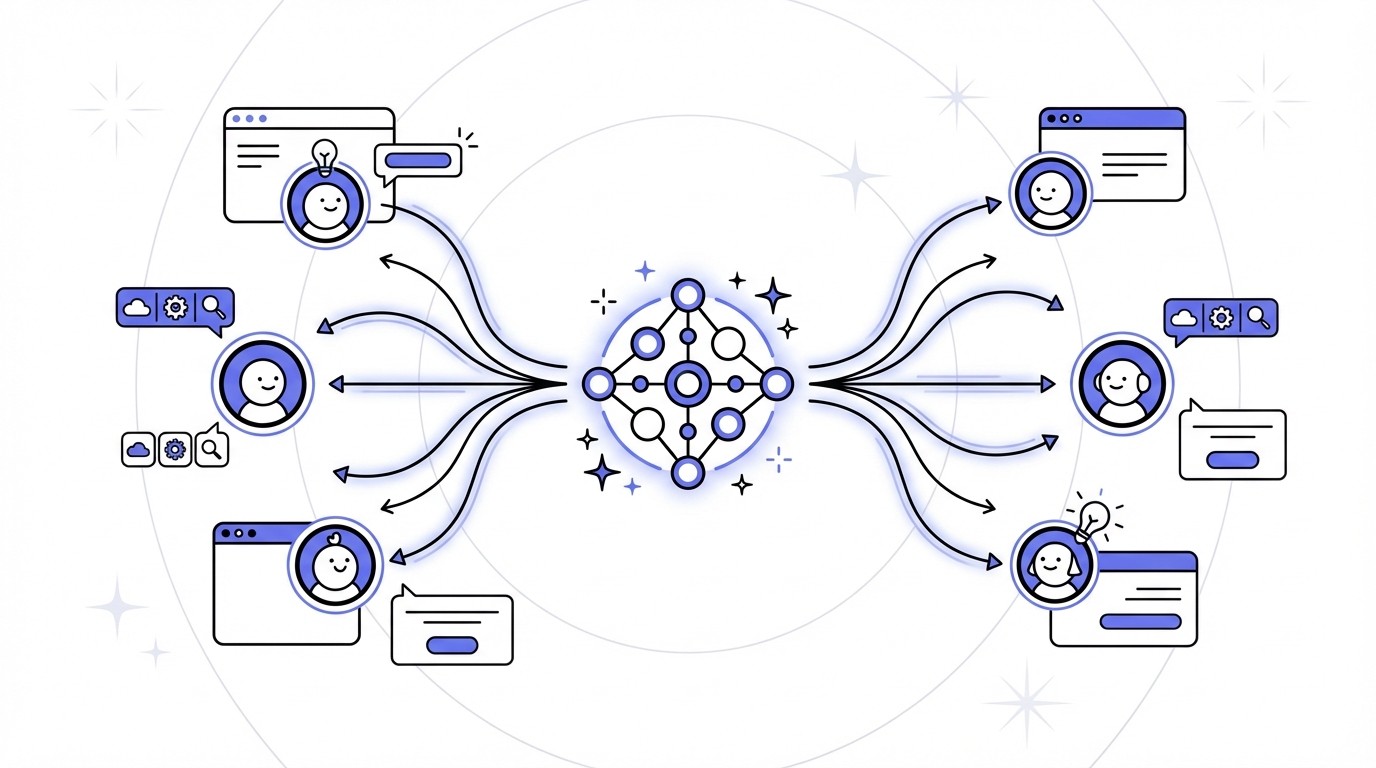
AI-powered precision: Delivering personalized outreach at unprecedented scale, intelligently connecting with every individual.
Visuals
Frequently Asked Questions
What is AI-powered personalization in cold outreach?
AI-powered personalization in cold outreach goes beyond basic name tags, creating unique messages that reference specific prospect details like recent projects or company news. It leverages artificial intelligence to show genuine research, drastically improving engagement compared to generic emails and making your cold outreach strategy more effective.
Why is AI-powered personalization essential for a modern cold outreach strategy?
AI-powered personalization is essential because generic outreach is ineffective, costly, and damages brand reputation. It significantly boosts engagement, leading to 2-3x higher reply rates and increased sales pipeline. This strategic shift, powered by AI, ensures your cold outreach strategy is data-driven and highly efficient for customer acquisition AI.
How does AI-powered personalization improve customer acquisition?
AI-powered personalization improves customer acquisition by generating highly relevant messages that resonate with prospects, leading to higher open and reply rates. This increased engagement translates directly into more qualified meetings and opportunities, streamlining the sales funnel and making your customer acquisition AI efforts more efficient and scalable.
What are the key benefits of implementing AI-powered personalization in sales?
Implementing AI-powered personalization brings several key benefits, including drastically higher engagement rates (2-3x replies), increased sales pipeline through more conversations, and improved sender reputation for better email deliverability. This approach frees sales teams from manual research, allowing them to focus on building relationships and closing deals.
How do Generative AI sales tools enhance cold outreach personalization?
Generative AI sales tools, like Large Language Models, enhance cold outreach personalization by acting as creative writers. They take prospect data and craft human-like emails, referencing specific insights found through research. This capability allows for scalable AI-powered personalization, making each message unique and highly relevant to the recipient.
What role does sales automation AI play in scaling personalized outreach?
Sales automation AI is crucial for scaling personalized outreach by automating tedious tasks like prospect research, custom copy generation, and follow-ups. It integrates various AI technologies to create relevant conversations efficiently. This frees sales teams to focus on relationship building and closing deals, significantly boosting overall productivity and customer acquisition efforts.
How does traditional cold outreach compare to AI-powered personalization?
Traditional cold outreach relies on generic messages and manual personalization, resulting in low reply rates (1-2%) and lengthy prospect research. In contrast, AI-powered personalization uses automated, unique insights to achieve 5-9% or higher reply rates with minimal research time. This fundamental shift moves from a volume game to a targeted, data-driven cold outreach strategy.

Hop on a call with us to see how our services can accelerate your growth.