AI Sales Agent vs Human SDR: Which Is Better for Small Business in 2026?

K R
Days AI
SalesDay
An AI sales acceleration system that identifies high-intent prospects, automates outreach, and optimizes follow-ups to increase conversions.
AI Sales Agent vs Human SDR: Which Is Better for Small Business in 2026?
As a small business owner navigating the landscape of 2026, you are likely wrestling with a critical decision: AI sales agent vs human SDR: which is better for small business in 2026? With the average cost to hire and onboard a new sales development representative exceeding $70,000 in the first year, choosing between automated outreach and human-led relationship building is a significant financial commitment. This isn't merely a binary choice between software and staff; it is a strategic transition toward defining the optimal sales infrastructure for your company’s unique growth trajectory.
The AI sales revolution has created a noisy landscape, leaving many small business owners wondering if they should automate their outreach or stick to traditional methods. When evaluating an AI sales agent vs human SDR: which is better for small business in 2026? the answer isn't a simple replacement of roles. Instead, the most successful firms are moving beyond the hype to focus on a hybrid approach. By strategically deploying automated tools to handle high-volume prospecting while reserving human talent for complex relationship-building, you can solve your unique sales bottlenecks without sacrificing brand integrity. This guide cuts through the confusion to help you determine the right balance of machine efficiency and human empathy for your specific growth stage.
Choosing between an AI sales agent vs human SDR: which is better for small business in 2026? This isn't another article pushing automation as a magic bullet. Instead, we provide a practical, no-nonsense comparison of digital agents versus human representatives, breaking down the true costs, scalability, and output capabilities of each. By evaluating how these roles handle outreach, complex relationship building, and lead qualification, you will discover how to redefine efficiency for your growing company and turn current sales frustrations into a sustainable competitive edge.
Defining the Roles: AI Sales Agents vs. Human SDRs
Deciding between an AI sales agent vs human SDR: which is better for small business in 2026? This choice has become a defining strategic pivot for growth-focused teams. Moving beyond simple automation, this transition requires a fundamental re-evaluation of how your initial sales interactions are managed and optimized for long-term scalability. In this landscape, an AI sales agent acts as sophisticated software designed to handle high-volume, repetitive tasks with precision. By autonomously initiating outbound contact, qualifying leads against specific criteria, and managing appointment scheduling across time zones, these tools offer unparalleled consistency. While human SDRs remain essential for complex relationship building, the speed and efficiency of AI allow micro-businesses to achieve broad market penetration and consistent lead flow with minimal intervention after the initial setup.
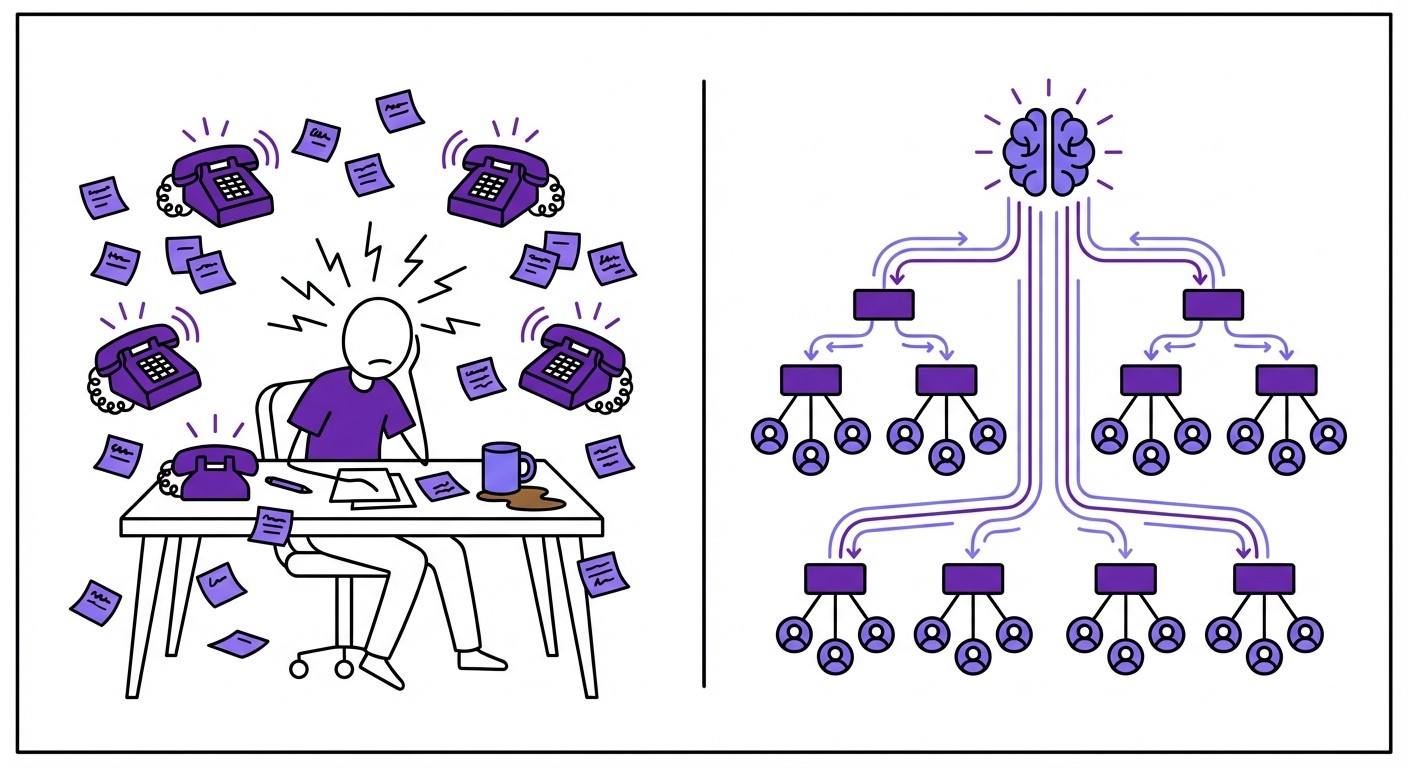
The difference between 'doing it all yourself' and 'building a system that does it for you.'
Conversely, a human SDR brings irreplaceable qualities to the table that define the debate of AI Sales Agent vs Human SDR: Which Is Better for Small Business in 2026? While automation excels at speed, humans remain superior at building genuine rapport, understanding complex buyer psychology, and navigating intricate conversations that demand empathy and nuanced judgment. A skilled SDR can pivot strategies on the fly, interpret subtle emotional cues, and handle unique objections with a creativity that current AI systems struggle to replicate. For many growing companies, the true value lies in cultivating the deep trust and long-term relationships necessary to convert leads that are too sensitive for purely automated outreach, proving that human intuition remains a critical asset in a modern sales stack.
For small businesses operating with lean teams and constrained budgets, the debate over an AI sales agent vs human SDR: which is better for small business in 2026? has become a critical strategic decision. Rather than viewing these as mutually exclusive options, owners must determine which model aligns with their specific growth objectives and operational realities. As AI capabilities become increasingly sophisticated and deeply integrated into the sales stack, choosing between automated outreach and human-led relationship building will define your long-term scalability. By evaluating the distinct operational profiles, true cost-benefit ratios, and potential impact on customer lifetime value, you can move beyond market trends to build a sustainable sales engine. Let’s explore how to navigate this choice and determine the right balance for your business.
Why Choosing the Right Sales Model Matters for Small Business Growth
For small businesses, every strategic decision carries amplified weight due to tighter margins and limited resources. As we look toward 2026, evaluating an AI sales agent vs human SDR: which is better for small business in 2026? has become a critical pivot point that impacts the very foundation of sustainable growth. Choosing between automated outreach and human-led engagement is no longer just an operational preference; it is a fundamental shift that dictates your long-term scalability, cost structure, and competitive positioning in an increasingly digital marketplace.
As we look toward the future of lead generation, the debate regarding an AI sales agent vs human SDR: which is better for small business in 2026? has become a critical strategic decision. AI is no longer a futuristic concept but a practical, integrated tool offering unprecedented efficiency in lead qualification and automated outreach. However, human SDRs provide the nuanced understanding, empathy, and adaptability required for complex deals—attributes that remain difficult for even the most advanced software to replicate. For the modern small business, the most effective strategy isn't about choosing one over the other, but rather building a hybrid model that leverages the speed of automation alongside the high-touch relationship building that drives long-term customer lifetime value.
For a small business, misallocating resources can be a critical growth bottleneck. Whether you are weighing an AI sales agent vs human SDR: which is better for small business in 2026? or trying to balance automated outreach with personalized engagement, the stakes are high. Investing in an AI solution that misses the mark on your specific sales cycle, or conversely, relying exclusively on manual prospecting when automation could provide a competitive edge, presents significant risks. Ultimately, the most effective strategy requires a nuanced assessment of how these models impact your long-term customer lifetime value and brand reputation. Because there is no one-size-fits-all approach, success depends on aligning your sales infrastructure with your current deal complexity, market dynamics, and specific growth objectives.
Choosing between an AI sales agent vs human SDR: which is better for small business in 2026? requires a careful evaluation of your unique operational context. This decision demands foresight, weighing the true implications of each approach—from onboarding and training costs to lead quality and long-term conversion rates. Whether you opt for an automated outreach strategy or a human-led model, the goal is securing a sustainable growth trajectory in an increasingly competitive environment. Achieving this strategic clarity serves as the bedrock for your future success, ensuring your sales infrastructure scales effectively alongside your business.
Key Considerations: Cost, Scalability, and Human Connection
Deciding between an AI sales agent vs human SDR: which is better for small business in 2026? This choice is far more nuanced than a simple cost-benefit analysis. For growing companies, the decision requires a strategic assessment of operational efficiency, the long-term impact on customer lifetime value, and how each model aligns with your specific sales cycle. Rather than viewing this as a binary trade-off between automation and personnel, successful owners are increasingly adopting a hybrid approach. By leveraging AI for high-volume outreach and human expertise for complex relationship building, businesses can optimize their resources to drive sustainable growth and maintain a competitive edge.
When evaluating the debate of AI Sales Agent vs Human SDR: Which Is Better for Small Business in 2026?, cost-effectiveness remains a primary consideration. While AI-driven automation often requires an initial investment in setup and integration, the per-interaction cost diminishes rapidly as you scale. These digital agents operate 24/7 without fatigue, sick days, or benefits, whereas human SDRs involve ongoing salaries, commissions, and training overhead. However, the true value extends beyond direct expenses. Scalability is a critical differentiator; automated solutions can expand outreach without proportional increases in expenditure, making them an attractive option for micro-businesses targeting aggressive growth or managing fluctuating lead volumes. Ultimately, the decision depends on whether your sales strategy prioritizes the high-volume efficiency of AI or the nuanced relationship-building capabilities of a human team.
The nature of the sales cycle and product complexity plays a pivotal role when deciding between an AI sales agent vs human SDR: which is better for small business in 2026? For highly complex offerings requiring nuanced explanations, empathy, and relationship building, human SDRs often remain superior. Their ability to read unspoken cues, adapt to conversation dynamically, and build genuine rapport is invaluable. While AI is rapidly advancing in natural language processing, it still struggles with true emotional intelligence and handling highly unstructured, sensitive customer interactions. Consequently, small businesses targeting high-value, relationship-driven accounts will likely find the human touch indispensable, whereas those focused on high-volume, lower-complexity deals may find that automated solutions offer a more efficient path to growth.
When evaluating the debate of AI sales agent vs human SDR: which is better for small business in 2026, you must weigh data-driven efficiency against the nuance of human connection. AI excels at processing vast datasets, identifying patterns, and optimizing outreach strategies through continuous learning, which can significantly improve lead qualification for lean teams. However, customer preference remains a critical variable. While some prospects appreciate the rapid efficiency of automated interactions, others view human engagement as a hallmark of personalized service, directly impacting long-term customer lifetime value. Balancing these factors is essential for small business owners aiming to craft a sales strategy that maintains brand reputation while effectively scaling operations in an increasingly automated marketplace.
How to Implement a Hybrid Sales Strategy for 2026
Deciding between an AI sales agent vs human SDR: which is better for small business in 2026? This question begins with a clear-eyed assessment of your current operational reality. Small businesses must first evaluate their existing sales funnel, identifying bottlenecks and areas ripe for efficiency gains. Consider your average lead volume: is it overwhelming for your current team, or could a dedicated representative handle it effectively? Budget constraints are another critical factor. While automated agents can offer long-term cost savings, initial setup and integration expenses require careful planning, whereas a human SDR represents a recurring salary and benefits cost. Ultimately, understanding your target demographic's comfort level with synthetic interactions is paramount, as some industries remain more receptive to automated outreach than others. By weighing the nuance of human connection against the scalability of AI, you can determine the right strategy for your specific deal size and growth stage.
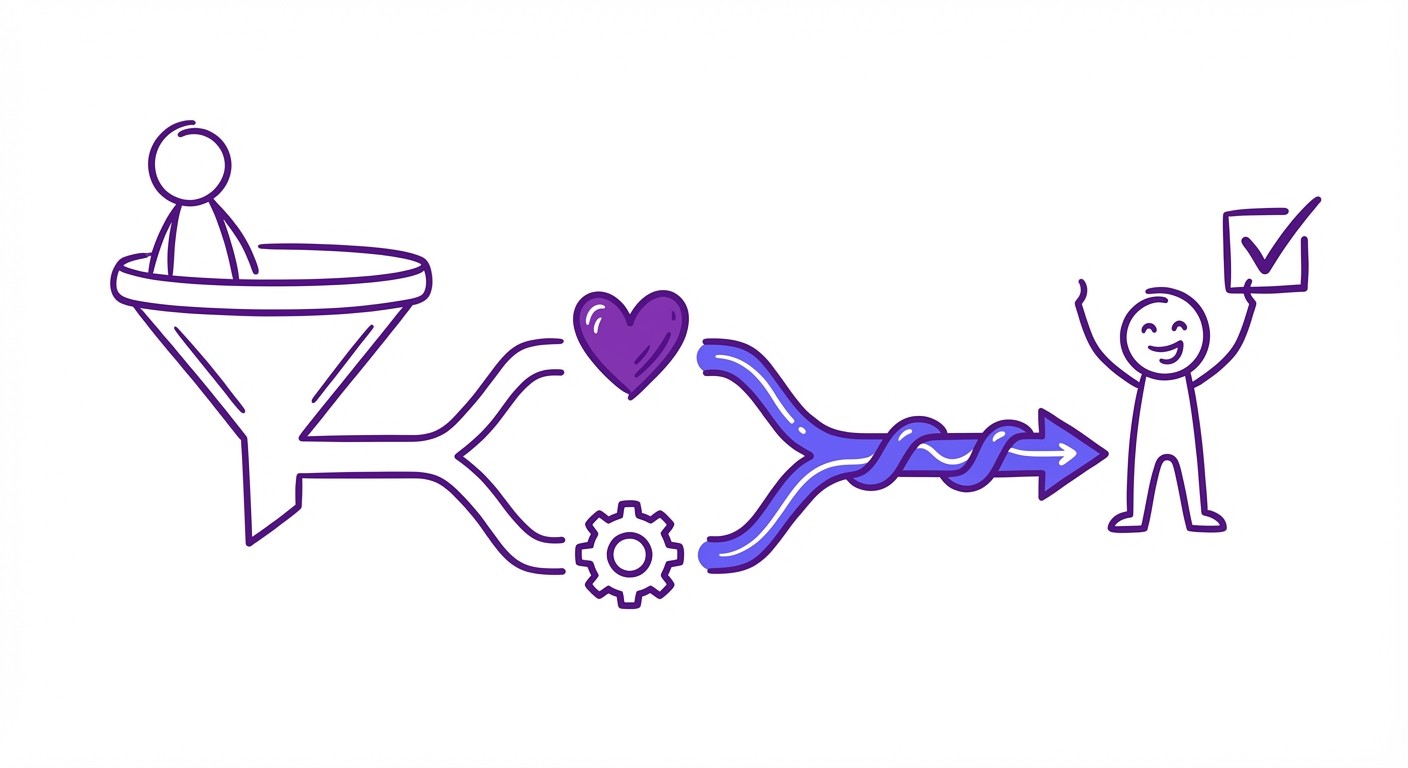
The Hybrid Future: Because the best way to predict the future is to stop pretending the robots and the humans are going to solve everything separately.
Rather than viewing the choice between an AI sales agent vs human SDR as an either/or dilemma, many small businesses in 2026 are finding success with a hybrid model. To determine which is better for your specific needs, begin by segmenting your sales activities. Repetitive, data-heavy tasks like lead scoring, email follow-ups, and appointment scheduling are ideal candidates for AI automation. This strategic delegation frees up human SDRs to focus on complex, relationship-driven activities: handling nuanced objections, building rapport, and closing deals that require genuine empathy. By maximizing the strengths of both technology and human intuition, you can optimize your outreach efficiency. Implementing a pilot program—where you test an AI agent alongside your human team on a specific product line—provides the data needed to refine your strategy without requiring a full-scale commitment.
To determine whether an AI sales agent vs human SDR is better for your small business in 2026, you must first establish clear, measurable KPIs. Track conversion rates, lead qualification accuracy, and customer satisfaction across both channels to create an objective baseline for comparison. Because the landscape of automated outreach is evolving rapidly, continuous monitoring is essential rather than optional. Regularly audit your performance metrics and gather qualitative feedback to refine your strategy as market preferences shift. Ultimately, the goal is to build a scalable sales engine that balances efficiency with genuine connection. By strategically deploying these resources based on your specific deal size and complexity, you can unlock significant growth, but the path to implementation requires a disciplined, data-backed approach.
Common Pitfalls in AI Sales Integration
Deciding between an AI sales agent vs human SDR: which is better for small business in 2026? This is a pivotal question for growing teams, yet many owners stumble by failing to integrate these tools strategically. While AI offers unmatched speed and scalability for initial outreach, relying on it blindly can damage your brand reputation and long-term customer lifetime value. To succeed, you must avoid common pitfalls by balancing automated efficiency with the nuanced empathy only a human can provide. By understanding the specific strengths of each approach, you can build a resilient sales infrastructure that drives conversions rather than just noise.
How to Avoid AI Implementation Mistakes
Expecting complete human replacement:** Many assume AI agents entirely supersede human SDRs. While AI excels at lead qualification and initial outreach, human insight remains invaluable for complex negotiations and relationship building. A common mistake is to overlook this synergistic potential. *Focus on augmenting, not solely replacing, human efforts to achieve superior results.
Poor data quality and integration:** AI systems are only as effective as the data they process. Feeding inaccurate or incomplete data leads to flawed interactions and missed opportunities. *Prioritize data hygiene and ensure seamless integration with your CRM and other sales tools for reliable performance.
Neglecting continuous optimization:** Deploying an AI agent is not a set-it-and-forget-it task. Market dynamics change, and customer interactions evolve. Regularly monitor performance metrics, gather feedback, and retrain your AI models to adapt and improve over time. This iterative process is vital.
Lack of clear objectives:** Without precise goals, measuring the ROI and effectiveness of your AI sales agent becomes impossible. *Define specific, measurable, achievable, relevant, and time-bound (SMART) objectives before deployment to guide your strategy and evaluate outcomes accurately.
By consciously avoiding these common errors, businesses can pave a clearer path to leveraging automation for genuine sales growth and efficiency. But as you weigh the debate of AI sales agent vs human SDR: which is better for small business in 2026, how do these principles translate into actionable deployment strategies tailored to your specific operational needs?
Conclusion: Building Your Augmented Sales Team
Deciding between an AI sales agent vs human SDR: which is better for small business in 2026? The answer rarely lies in choosing one over the other. Instead, sustainable growth for lean teams depends on how effectively you integrate these technologies. By leveraging AI to handle high-volume outreach and data-heavy research, you empower your human representatives to focus on what they do best: building authentic relationships and closing complex deals. This strategic collaboration maximizes your operational efficiency while ensuring that your brand maintains the personal touch necessary to drive long-term customer loyalty.
When evaluating an AI sales agent vs human SDR: which is better for small business in 2026, the most effective approach is a hybrid model. AI tools excel at managing initial qualification and high-volume data analysis, which frees human representatives from repetitive, low-value tasks. By delegating outreach to automation, your team can focus on building genuine relationships and closing complex deals. This strategic deployment of technology alongside human expertise significantly boosts revenue potential, ensuring your sales infrastructure remains both scalable and relationship-focused.
SalesDay provides the advanced AI and machine learning solutions necessary to navigate the evolving landscape of modern outreach. As you weigh the debate of AI Sales Agent vs Human SDR: Which Is Better for Small Business in 2026?, the answer lies not in a binary choice, but in a strategic integration of both. We equip your team with the tools to balance automated efficiency with human intuition, allowing you to build an augmented sales force perfectly calibrated for sustainable growth.
As you refine your growth strategy for 2026, deciding between an AI sales agent vs human SDR: which is better for small business in 2026? remains the defining question for scaling revenue. While AI excels at rapid outreach and data-driven research, human SDRs provide the essential empathy and nuance required for high-value relationship building. SalesDay helps micro-businesses navigate this balance by integrating automated efficiency with human-led strategy to maximize lead conversion. Discover how our hybrid framework can transform your sales funnel and drive sustainable growth today.
Frequently Asked Questions
Is an AI sales agent or human SDR better for small business in 2026?
Deciding between an AI sales agent vs human SDR for small business in 2026 depends on your specific growth objectives. While AI excels at high-volume, repetitive tasks like lead qualification and scheduling, human SDRs provide the empathy and nuanced judgment required for complex sales. The best strategy often involves a hybrid approach that leverages AI for efficiency and humans for high-value relationship building.
What are the primary benefits of using an AI sales agent for small business?
An AI sales agent offers unparalleled consistency, rapid speed, and scalable outreach, allowing small businesses to initiate contact and qualify leads across multiple time zones simultaneously. By automating repetitive tasks, AI reduces the operational burden on small teams, providing a cost-effective way to achieve broad market penetration without the high overhead associated with traditional hiring.
Why is the choice between an AI sales agent vs human SDR critical for 2026 growth?
As we approach 2026, the choice between an AI sales agent vs human SDR represents a fundamental strategic pivot for small businesses. Incorrect resource allocation can be detrimental to tight budgets; therefore, understanding the balance between AI's efficiency and human adaptability is essential for maintaining a sustainable competitive edge and optimizing your long-term sales scalability.
How do human SDRs outperform AI sales agents in complex sales scenarios?
Human SDRs bring irreplaceable value through genuine rapport, emotional intelligence, and critical thinking. They excel at navigating intricate conversations, interpreting subtle verbal cues, and handling unexpected objections with creative solutions that current AI systems struggle to replicate. This human touch is vital for converting sensitive or complex leads that require a deep level of trust and nuanced judgment.
Which is more cost-effective: an AI sales agent or a human SDR?
When comparing an AI sales agent vs human SDR, cost structures differ significantly. Hiring and onboarding a human SDR can exceed $70,000 in the first year, whereas AI offers a more predictable, scalable cost model for high-volume tasks. However, businesses must weigh these immediate savings against the potential revenue loss if an automated system fails to handle complex, high-value prospects effectively.
When should a small business consider integrating an AI sales agent?
A small business should consider integrating an AI sales agent when they face bottlenecks in high-volume, repetitive sales tasks like initial lead outreach or appointment scheduling. By deploying AI to handle these foundational processes, you free up your human team to focus on high-touch interactions, ultimately creating a more efficient and balanced sales pipeline.
Can an AI sales agent completely replace a human SDR in 2026?
While AI technology is rapidly evolving, it is not a magic bullet meant to fully replace human SDRs. Instead, the most successful small businesses in 2026 will use AI to augment their human teams. By automating the grunt work, you allow your human SDRs to focus on what they do best: fostering deep connections and closing complex deals that require a human touch.
Hop on a call with us to see how our services can accelerate your growth.